
Airtight Glass Containers That Keep Coffee Beans Fresh
2026-01-30
When it comes to business and industrial uses, airtight glass containers are the best way to keep coffee beans fresh. These special ways of storing coffee keep it from being exposed to air, water, and other things that can ruin the taste of coffee. When purchasing an airtight coffee storage container, procurement professionals look at how well it seals, how long the material lasts, and how much space it has. These factors must match business needs and keep the product's integrity throughout the supply chain.
Understanding Airtight Coffee Storage Containers
Airtight coffee storage containers keep out air, moisture, light, and smells from outside, which are the main things that keep coffee from staying fresh. These special containers use high-tech sealing systems, usually silicone gaskets or rubber seals, to keep air out of spaces where coffee beans are kept. The science behind storing coffee well is based on stopping oxidation, which starts as soon as the beans are roasted and speeds up when they come into contact with air.
Material Advantages of Borosilicate Glass
In situations where coffee needs to be stored, borosilicate glass performs better than other materials. The unique makeup of this glass makes it very resistant to thermal shock. It can survive temperature changes from -20°C to 130°C without losing its strength. The smooth, non-porous surface keeps flavors and smells from absorbing, so each batch of kept coffee keeps its unique flavor. Chemical stability stays the same even after being exposed to coffee oils and organic substances that are naturally found in roasted beans for a long time.
Sealing Technology and Performance
Modern airtight containers use advanced closing technologies to keep the storage conditions at their best. Multi-layer gasket systems make extra barriers to stop air from getting in, and pressure-release valves let CO2 escape naturally without affecting the airtight seal. These engineering features make sure that the machine will work the same way even when the environment and use patterns change, which is usual in commercial coffee shops.

How to Choose the Best Airtight Glass Container for Coffee Beans?
To choose the right airtight glass containers, you need to carefully compare the product specs with the operational needs. When buying something, you have to think about how much space you need, how long it needs to last, and how well it needs to work with other coffee-handling tools and processes.
Capacity and Volume Considerations
How much commercial coffee storage is needed depends a lot on the size of the business and how much coffee is used. Small-batch roasters need containers that can hold between 500g and 2 kg, while restaurant chains and coffee shops need airtight coffee storage containers that can hold between 5 kg and 10 kg. When figuring out volume, product turnover rates should be taken into account. The best sizing will keep coffee beans from being stored for too long, which can damage even the best sealed beans.
Durability and Construction Standards
Industrial-grade containers that keep air out must be able to handle being handled and cleaned many times, as well as possible temperature changes in industrial kitchens. Compared to regular soda-lime glass, constructions made of borosilicate glass are much more resistant to pressure and stable at high temperatures. Heavy-duty sealing parts and reinforced lid mechanisms make sure reliable performance over a long service life, which lowers repair costs and downtime.
Integration with Existing Equipment
The choice of container is affected by how well it works with coffee grinding tools, dispensing systems, and inventory management systems. Standardized sizes make it easy to use storage racks efficiently, and wide-mouth shapes make it easy to scoop and measure. Some containers have built-in measuring marks or portion indicators that make it easier to keep track of supplies and manage portions.
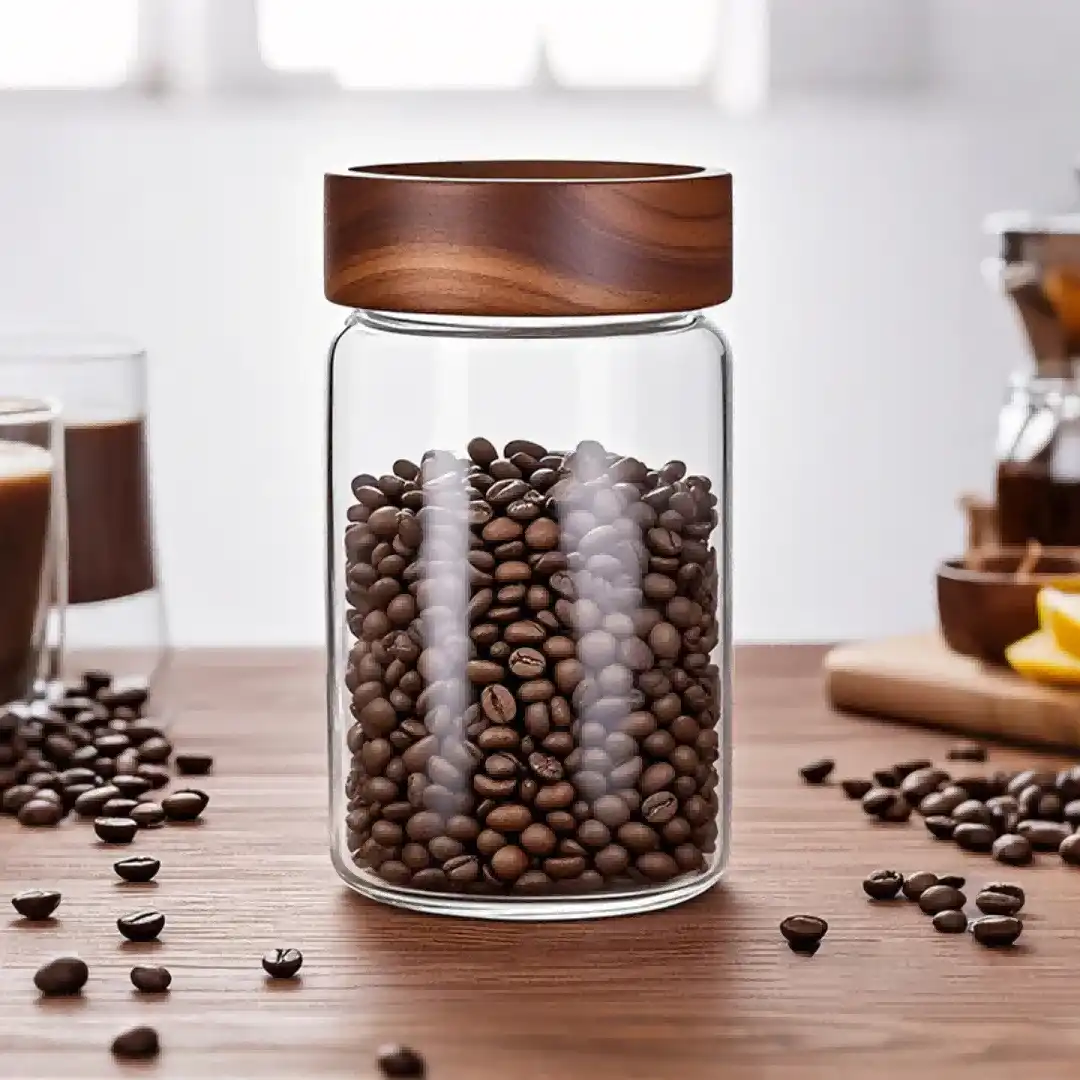
Top Airtight Glass Containers for Coffee Beans in 2026
A study of the market shows that there are a number of high-performance airtight cases that work really well for storing coffee in businesses. These goods have better sealing abilities, are built to last, and have features that make them easier to use, which improves operational efficiency.
Professional-grade containers now come with advanced features that solve problems in certain industries. When procurement experts look at storage options, these are the main categories they should think about:
• Heavy-Duty Commercial Models: These containers are built to last with impact-resistant glass and industrial-strength locking systems made for high-volume use. The standard range of capacities is from 2 kg to 15 kg, and some models can be stacked in modules to save room.
• Precision Storage Systems: These containers were made for specialty coffee use and have built-in CO2 release valves and pressure tracking systems that keep the storage conditions at their best. More advanced types have digital displays that show the level of internal pressure and the amount of time that has been stored.
• Multi-Chamber Designs: For large-scale operations, containers with separate sections that can store different types of coffee at the same time while keeping their own airtight seals are useful. These methods lower the risk of cross-contamination and make it easier to keep track of inventory.
• Temperature-Controlled Options: High-end containers have thermal control features that keep the temperature inside stable even if the temperature outside changes. These models are especially useful in places where the weather changes often.
• Automated Dispensing Integration: Modern containers made to work with automated coffee preparation systems have electronic controls and exact portion dispensing mechanisms that make operations run more smoothly while keeping the containers airtight.
These advanced types of containers meet a wide range of operational needs while still keeping the basic airtight qualities that are necessary to keep coffee fresh. When choosing features, the selection factors should give priority to those that match the needs of the workflow and the volume.
Maintaining Coffee Flavor with Airtight Storage Containers: Best Practices
For coffee to be stored effectively, it's not enough just to choose the airtight coffee storage container; you also need to follow strict handling and upkeep rules. These steps make the most of the benefits of airtight glass containers for storing food while keeping them clean and preserving taste.
Cleaning and Sanitization Protocols
Cleaning the container on a regular basis keeps it working well and stops oil from building up, which can cause tastes to go bad over time. Rinsing with warm water and then using a mild cleanser are good ways to clean, instead of harsh chemicals that might leave behind smells. Deep cleaning with special glass cleaners once a month gets rid of the buildup of coffee oil on the surfaces and closing parts of the containers.
Environmental Control Factors
The setting in which coffee is stored has a big effect on how well it stays fresh, even in airtight containers. The best temperatures for keeping are between 15°C and 25°C, and the items should not be kept near heat sources or in direct sunlight. Humidity levels should stay below 60% to keep condensation from forming inside containers, which can cause mold to grow and flavors to get worse.
Seal Integrity Maintenance
Regular checks of the sealing parts make sure that the container stays sealed for as long as it is used. Silicone gaskets need to be replaced every so often, usually every 12 to 18 months in industrial settings, depending on how often they are used and how they are exposed to the environment. Aligning the gasket correctly and keeping the sealed surfaces clean keep the compression at the right level and stop air from leaking.

Procurement Insights: Where and How to Buy Airtight Glass Coffee Containers?
To strategically source airtight glass cases, you need to look at the supplier's skills, quality standards, and service levels to make sure they can meet your long-term needs. Finding suppliers with stable quality, competitive prices, and helpful customer service is key to successful procurement.
Supplier Evaluation Criteria
Manufacturers of good products give thorough specifications, material certifications, and performance testing data that prove the container's abilities. Established sellers keep quality management systems in place that make sure production standards are always met and products can be relied on. International sellers of food-contact materials should show that they have experience exporting and know how to follow the rules in the country where the materials will be used.
Bulk Purchasing Advantages
When you place a lot of orders at once, you usually get big price cuts and more customization choices that make your business more valuable. If you want a normal configuration, the minimum order quantity is usually 100 units. If you want a custom configuration, the minimum order quantity may be higher. When compared to buying in small amounts, volume price structures can cut costs per unit by 20–30%, making procurement more efficient overall.
Customization and Private Labeling
A lot of providers offer customization services, such as engraving logos, changing colors, and changing capacities to fit the needs of specific operations. Companies that sell containers as part of larger product lines can add their own name to them with private labeling options. Custom packing solutions can improve how a brand looks and keep products safe while they're being shipped and stored.
Company Introduction and Our Product Offerings
Hejian Chilin Glass Products Co., Ltd. makes high-quality borosilicate glass storage solutions that are used in business coffee shops. Our product line includes a wide range of airtight coffee storage container with advanced sealing technologies, resistance to thermal shock, and specs that can be changed to fit the needs of different industries.
Our main area of expertise in manufacturing is making 3.3 borosilicate glass. To meet the highest quality standards, we use both precise machines and skilled labor. Each container goes through a lot of tests to make sure it is airtight, stable at high temperatures, and long-lasting in industrial settings. Quality control methods make sure that all batches of products work the same way, which helps our clients run their supply chains more reliably.
Export services include help with all paperwork, coordinating foreign shipping, and clearing customs, which makes buying things easier for customers around the world. Our well-established transport networks make delivery to dozens of countries quick and easy, and our tracking systems let you see where your packages are at all times. Our production processes are based on caring for the environment. We use lead-free glass formulas and environmentally friendly manufacturing methods that help the company reach its sustainability goals.
You can change things like the capacity, the way the lid is set up, the color, and the branding so that they fit your specific business needs. OEM and ODM services can meet specific design needs, and for regular configurations, the minimum order quantity starts at 100 units. Technical support teams offer advice that helps users choose the best containers for their needs and the setting in which they will be used.
Conclusion
Airtight glass containers are necessary for storing coffee because they keep the quality of the product and extend its shelf life in business settings. The best investment returns and operating efficiency are achieved by using the right selection criteria, which include capacity needs, durability standards, and sealing performance. Good suppliers offer a wide range of products, the ability to customize them, and technical help that makes the buying process easier. Choosing the right containers and keeping them in good shape can make a big difference in how fresh the coffee stays and how happy the customers are.
FAQ
How do sealed containers keep coffee beans fresh longer?
Airtight containers keep air out, which breaks down coffee beans through oxidation processes. As coffee beans take in air and release CO2, flavor compounds are broken down, making the coffee taste old. Good airtight seals keep oxygen out of spaces that hold on to the volatile oils and aromatic compounds that give coffee its unique tastes. Studies show that properly sealed containers can keep coffee fresh for two to three weeks longer than regular keeping methods.
How often should the device be cleaned to keep it working at its best?
To keep things clean and stop oil buildup, commercial coffee storage bins need to be cleaned once a week. Depending on how often they are used and what kinds of coffee they serve, high-volume businesses may need to clean more often. Deep cleaning once a month gets rid of tough residues and protects the integrity of the closing components. The right way to clean a coffee maker is to rinse it with warm water, use a light detergent, and let it dry completely before putting in fresh coffee beans.
Do CO2 release valves make it harder to seal out air?
Modern CO2 valves have one-way systems that let gas escape from inside but stop air from entering from the outside. These valves allow the natural degassing that happens when coffee is freshly roasted without affecting their airtightness. Under normal situations, good valve designs keep their sealing power for 12 to 18 months. Regular inspection of the valves ensures continued operation, and replacement parts are available to make the container last longer.
Partner with Chilin Glass for Premium Coffee Storage Solutions
An airtight coffee storage container manufacturer, Chilin Glass makes high-quality airtight coffee storage container solutions for tough business uses. These borosilicate glass cases have advanced sealing technologies, great thermal stability, and can be customized to fit your needs. This makes sure that your coffee stays fresh throughout your supply chain. We've been making things for over ten years and have a track record of exporting. Our reliable quality, low prices, and quick customer service help global procurement teams. Get in touch with our team at sales@chilinglass.com to talk about your needs for airtight coffee storage containers and to learn more about our full range of products.
References
1. International Coffee Organization. "Coffee Storage Standards and Quality Preservation Guidelines." Coffee Quality Research Journal, 2023.
2. National Coffee Association. "Commercial Coffee Storage: Best Practices for Food Service Operations." Food Service Management Quarterly, 2024.
3. Glass Manufacturing Institute. "Borosilicate Glass Properties and Applications in Food Storage Systems." Materials Science Review, 2023.
4. Specialty Coffee Association. "Oxygen Exposure Effects on Coffee Bean Degradation and Flavor Preservation." Coffee Science International, 2024.
5. Food and Drug Administration. "Food Contact Materials: Safety Standards for Glass Storage Containers." Regulatory Compliance Handbook, 2023.
6. American Society for Testing and Materials. "Standard Test Methods for Airtight Container Performance Evaluation." ASTM International Standards, 2024.
YOU MAY LIKE