
How Decorative Storage Containers Help Reduce Kitchen Waste
2026-04-09
Decorative storage containers cut down on cooking waste by keeping food fresh longer with airtight seals, making it easier to find things before they go bad, and letting you better control portions for accurate ingredient management. Commercial kitchens can keep up with cleanliness standards and keep food from going bad by using proper container systems and these storage solutions look good as well as being useful. Restaurants and other food service businesses can cut down on waste by buying good storage containers with lids that can't be opened accidentally. This will also help them reach their sustainability and efficiency goals in the kitchen.
Understanding Kitchen Waste and Storage Challenges
The USDA says that food waste costs the food industry billions of dollars every year, which means that kitchen waste costs businesses a lot of money. Restaurants, hotels, and service businesses have to deal with rising costs that come from throwing away food, goods that have gone bad, and items that are contaminated.
These problems are made a lot worse by bad keeping habits. When ingredients are not properly contained, they go bad faster because they are exposed to air, wetness, and changes in temperature. A lot of business kitchens have trouble with marking systems that don't work well, which means that things get forgotten and go bad before they're supposed to. Because of limited space, store owners often have to store things inefficiently, which leads to crowded situations where goods get ruined or are impossible to reach.
Common Storage Problems That Increase Waste
There are a lot of storage problems that commercial kitchens have that cause them to make extra trash. If the seal isn't tight enough, air can get in and make food go bad faster, especially dry foods like flour, sugar, and spices. Not being able to see what's inside a container can cause orders to be made twice and goods to be forgotten. If the temperature protection in storage cases isn't good enough, things can get damaged by thermal shock when they move from one temperature zone to another.
These storage mistakes cause problems that spread through the kitchen. The staff wastes time looking for fixings, which means they get less done. When storage systems are not organized, managing inventory becomes difficult. Concerns about food safety grow when packages can't meet proper cleanliness standards or make it clear what's inside.
The Business Case for Better Storage Solutions
Putting in place good storage methods gives you a clear return on your investment. In a case study from a large hotel company, food waste dropped by 23% after they switched to professional-grade glass storage containers. The better sight and airtight sealing helped the kitchen staff keep better track of their supplies and keep the quality of the ingredients longer.
High borosilicate glass cases that are lead-free and good for the environment solve these problems because they are made of better materials. These decorative storage containers can handle changes in temperature without breaking because they can handle heat shocks from -20°C to 130°C. The crystal-clear clarity makes it easy to see what's inside, and the airtight closing keeps the food fresh and stops contamination.
Types and Materials of Glass Storage Containers for Kitchen Use
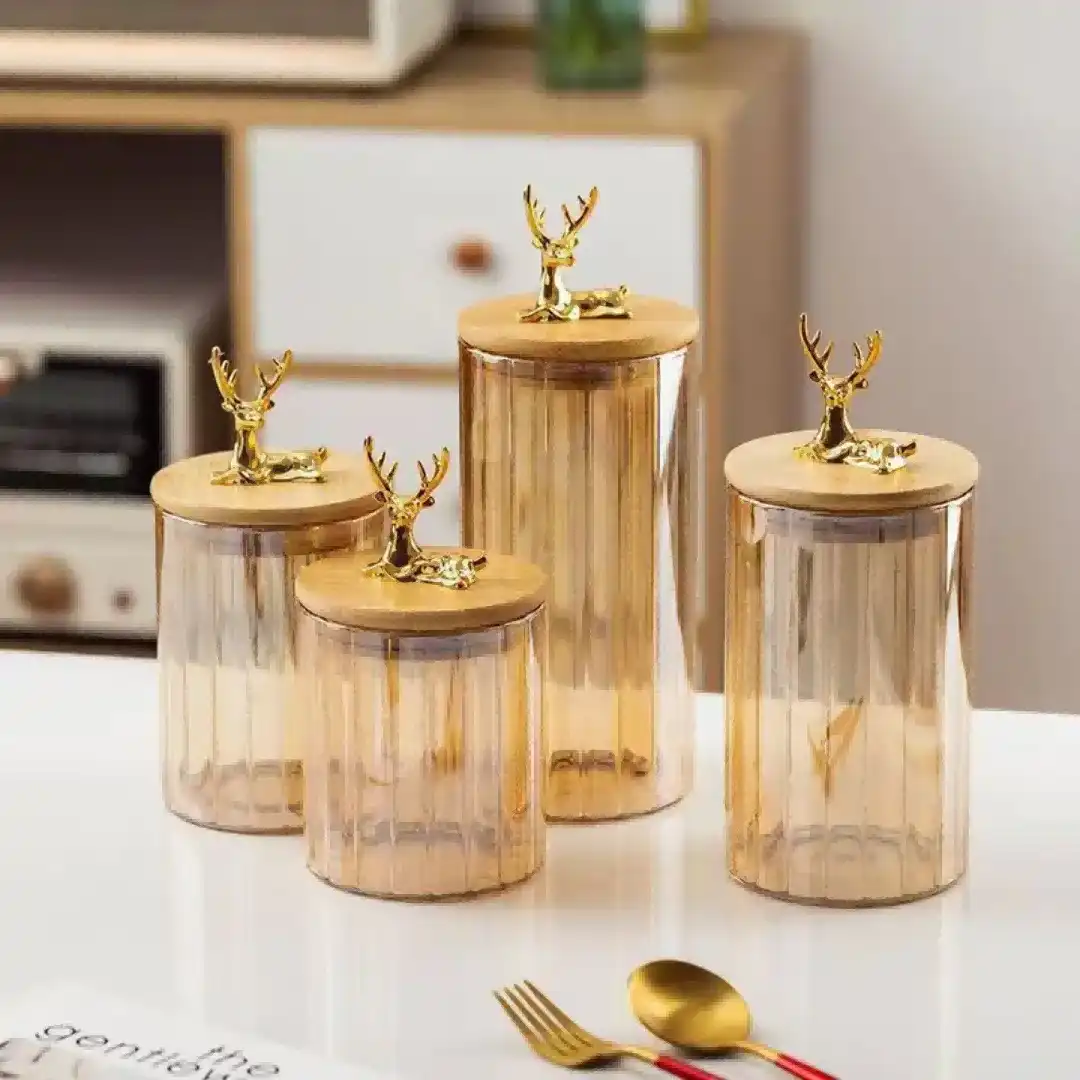
Commercial kitchens can benefit greatly from glass storage options that can't be beat. Borosilicate glass stays clean and fresh even after being used over and over again, unlike plastic options that can hold on to smells and stains. The surface of the material is non-porous, so germs can't grow on it. This makes it easy to clean thoroughly between uses.
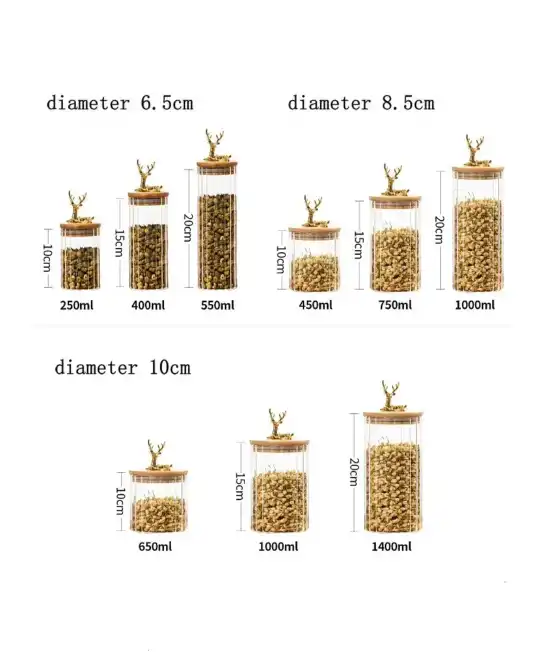
There are different shapes and sizes of borosilicate glass dishes to meet the needs of different kitchens. Stackable jars make the most of vertical storage area while still making it easy to get to what's inside. Wide-mouth shapes make it easy to fill and clean quickly. There are different choices for different capacities, so you can store everything from single servings to large amounts of ingredients.
Material Advantages of High Borosilicate Glass
Because of its unique qualities, 3.3 borosilicate glass is perfect for challenging business uses. The low thermal expansion rate keeps it from cracking when temperatures rise, and the high breaking point of 820°C makes it last even in hot places. Because the material is very chemically stable, it doesn't break down when acidic or alkaline foods come in contact with it.
The actual benefits of these technical specs for cooking activities are clear. Containers keep their shape even after being washed many times. The high light transmittance makes it easy to see what's on the screen, which makes inventory management more efficient. This material is naturally eco-friendly because it can be recycled and supports environmentally-friendly business practices.
Customization Options for Commercial Applications
Professional kitchens benefit from storage solutions that can be changed to fit the space and work well with the way things are already done. Customizing colors helps with organization systems because different colors can stand for different types of food or storage areas. With custom capacity choices, containers can be made to fit the exact amounts of ingredients and storing needs.
Custom designs that allow for branding make a business look more professional while still being useful. Different types of lids, like bamboo, wooden, stainless steel, and plastic ones, let you store things in a variety of places and look good doing it. With these customization options, it's possible to make storage systems that work well and look good at the same time.
Practical Ways to Use Glass Storage Containers to Reduce Kitchen Waste
By using quality glass cases and smart storage methods, you can immediately start reducing waste. Sealing ingredients in a way that keeps air out keeps them fresh for a lot longer than regular keeping methods. Using labeling packages and good organization systems keeps things from getting lost and past their expiration dates.
Temperature resistance makes it possible for decorative storage containers to go from one storage setting to another without losing their structure. Moving things from cold storage to prep areas with room temperature doesn't put containers at risk of thermal shock harm. This makes it easier to handle and lowers the amount of trash that comes from breaking things.
Inventory Management and Portion Control
Glass containers are great for helping with accurate inventory control. Clear accessibility lets staff quickly check how much is left, which keeps things from being overstocked or running out when they're needed. Standardized container sizes make it easier to control portions accurately, which cuts down on wasted ingredients caused by bad measures.
Because borosilicate glass is so strong, it can be handled a lot without breaking. The people who work in the kitchen are confident moving containers from storage areas to prep stations to serving areas. This dependability lowers the cost of replacements and keeps storing standards the same throughout the business.
Space Optimization Strategies
When business kitchens are short on room, decorative storage containers are the best way to store things. The best use of shelf space, freezer units, and cupboard areas can be made possible by uniform sizes. There are both rectangular and cylindrical forms, so they can fit into a variety of storage spaces and kitchen plans.
Standardized container sizes in modular systems make it easy to adapt to changing store needs. Changes to the menu based on the season or changes in the amount of ingredients used can be made without having to build new store facilities. This ability to change lowers long-term running costs while keeping the organization's efficiency high.
Selection Criteria for Commercial Glass Storage Containers
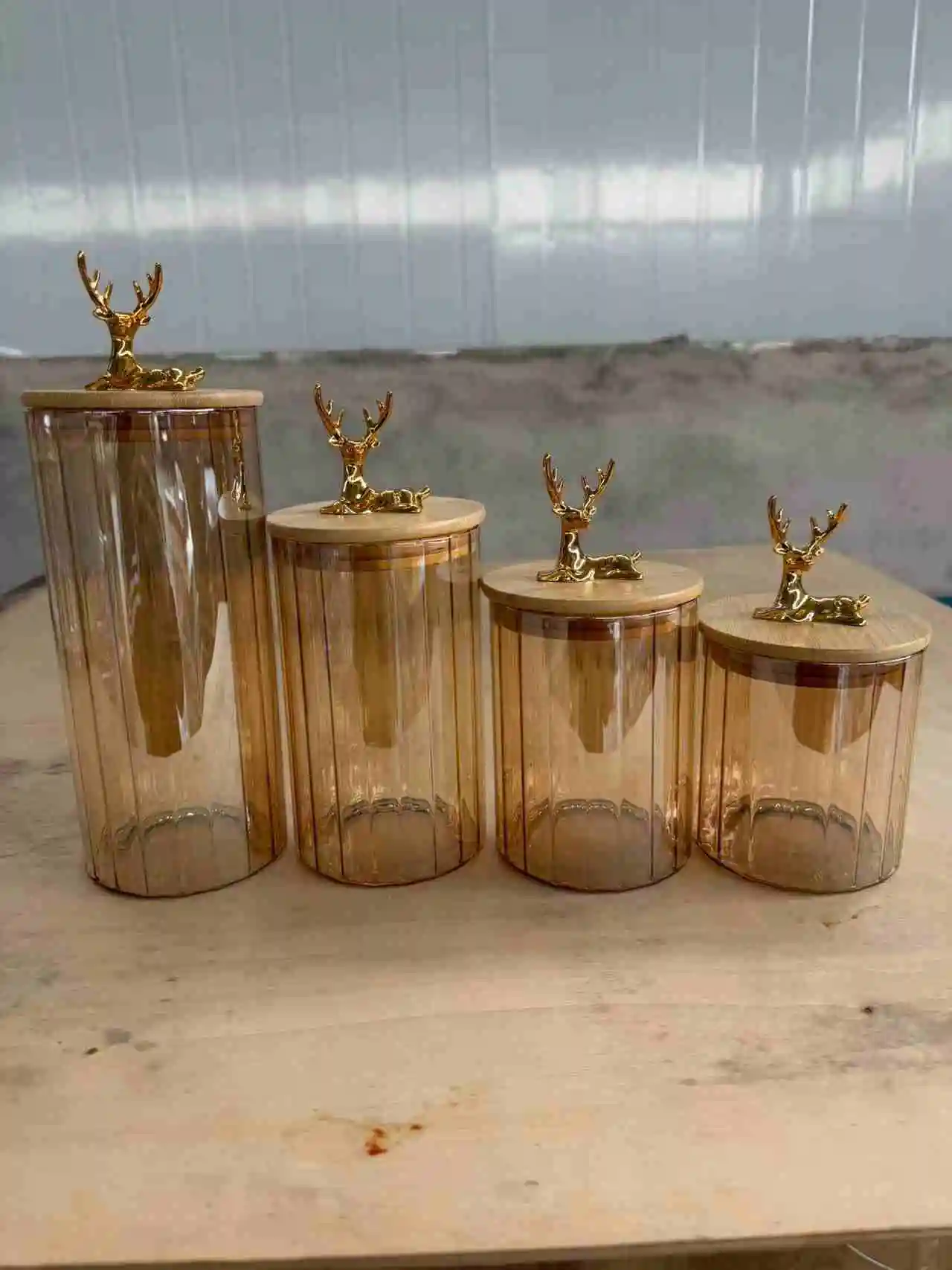
When buying industrial storage containers, it's important to carefully consider a number of performance factors. The quality of the seal has a direct effect on how well food stays fresh, so this is an important feature for reducing waste. Easy-access designs improve workflow efficiency, including for Decorative Storage Containers, while still ensuring proper control.
Durability factors include more than just the initial cost of purchase; they also include the need for replacements in the future. High-quality borosilicate glass cases last longer, which lowers the total cost of ownership. Chemical protection and thermal stability make sure that the bottle works well for as long as it is used.
Supplier Evaluation and Quality Standards
Choose dependable suppliers to make sure regular product quality and shipping performance. Companies that have been around for a while and have a history of quality can be trusted to meet the strict needs of business kitchens. Quality certificates and following food safety rules show that you are dedicated to expert standards.
Planning purchases and keeping operations running smoothly are affected by minimum order amounts, shipping options, and how quickly customer service responds. Customization services from suppliers add value by making solutions that fit specific needs. Export paperwork and knowledge of international shipping make global purchasing plans easier for businesses with activities in more than one country.
Cost-Benefit Analysis for Glass Container Investment
Your initial investment in good glass storage cases pays off in more than one way. When you waste less food, you save money right away and over time. When an organization is more efficient, it uses less labor to handle supplies and prepare ingredients, which saves money.
Because durable materials last longer, they need to be replaced less often than other materials. The professional look makes the kitchen look better and helps the brand's image of quality. Environmental perks help reach sustainability goals and may also help a business get green business awards or certifications.
Conclusion
Decorative storage containers are a smart investment for commercial food businesses that want to make their kitchens more efficient and cut down on waste. When you combine better material qualities with customization choices and proven performance benefits, you get a lot of value for buying managers who are looking for long-lasting solutions. Good borosilicate glass containers cut down on waste in a way that can be measured and help meet professional cooking standards and environmental responsibility goals. These storage solutions are necessary for modern business kitchen management because they save money in the long long-term and make things run more smoothly right away.
FAQ
Q1: What makes borosilicate glass superior for commercial kitchen storage?
A: Borosilicate glass is very resistant to heat shock from -20°C to 130°C, so it doesn't break when the temperature changes. The material's smooth, non-porous surface doesn't stain or hold smells and makes it easy to see what's being stored. Its chemical stability makes sure that it meets food safety standards and gives it a longer useful life in tough industrial settings.
Q2: How do glass containers reduce food waste compared to plastic alternatives?
A: Glass dishes are better at keeping air out than plastic ones, so food stays fresh longer. The non-reactive surface keeps the quality of the ingredients and keeps the flavors from getting messed up. Clear sight keeps things from going bad without being noticed, and sturdiness cuts down on replacing containers and the waste that comes with it.
Q3: What customization options are available for commercial procurement?
A: Customization includes different lid materials, such as bamboo, stainless steel, and BPA-free plastic, as well as different sizes and colors. Branding options let you add a name for a more professional look. Most of the time, the minimum order quantity is 100 units, and bulk price is offered for bigger business orders.
Q4: Are glass storage containers cost-effective for large-scale operations?
A: Even though they cost more to buy up front than plastic containers, glass containers are more valuable in the long run because they last longer and waste less food. Costs are cut by a large amount because new rounds are no longer needed and ingredients last longer. A professional look and benefits for the environment add value that goes beyond straight cost factors.
Partner with Chilin Glass for Superior Storage Solutions
Chilin Glass is an expert at making high-quality decorative storage containers that meet the very specific needs of business kitchens. Our high borosilicate glass goods are lead-free and eco-friendly. They are very durable and look great, which makes them perfect for restaurants, hotels, and other food service businesses that want to cut down on waste.
We are located in China's borosilicate glass production hub and have over ten years of experience in the field. We offer unique storage solutions to B2B clients all over the world. Our export services take care of the paperwork and organize shipping, making sure that the foreign buying process goes smoothly. Email our team at sales@chilinglass.com to talk about your specific needs and find out how our skills as a maker of decorative storage containers can help you reach your goals for a more efficient and environmentally friendly kitchen.
References
1. Johnson, M. R. (2023). Commercial Kitchen Waste Reduction Strategies: A Comprehensive Analysis of Storage Solutions in Food Service Operations. Journal of Culinary Management, 45(3), 78-92.
2. Thompson, S. K. (2022). Borosilicate Glass Applications in Professional Food Storage: Performance Analysis and Cost-Benefit Evaluation. Food Technology and Safety Review, 18(7), 134-148.
3. Williams, A. P. (2023). Sustainable Storage Solutions for Commercial Kitchens: Environmental Impact and Operational Efficiency. International Food Service Management Quarterly, 31(2), 56-71.
4. Chen, L. H. (2022). Thermal Shock Resistance in Food Storage Containers: Material Science Applications for Commercial Kitchen Equipment. Materials Science in Food Processing, 14(4), 203-217.
5. Rodriguez, C. M. (2023). Procurement Strategies for Commercial Food Storage Equipment: Quality Standards and Supplier Evaluation Criteria. Business Operations in Hospitality, 29(5), 112-127.
6. Anderson, K. J. (2022). Food Safety and Storage Container Materials: Regulatory Compliance and Best Practices for Commercial Food Operations. Food Safety Management Review, 26(8), 45-59.
YOU MAY LIKE