
How to Clean Heat-resistant Glass Storage Jars
2026-03-13
Jars made of heat-resistant glass need to be cleaned in a certain way to keep their great thermal properties and structural stability. Some types of heat-resistant glass, like borosilicate glass, need to be cleaned with extra care so that they keep their ability to withstand high temperatures and thermal shock. If you take good care of these useful storage solutions, they will not only last longer, but they will also work better in tough business and industry settings where keeping food safe and avoiding contamination are still the most important things.
Understanding Heat-Resistant Glass Storage Jars
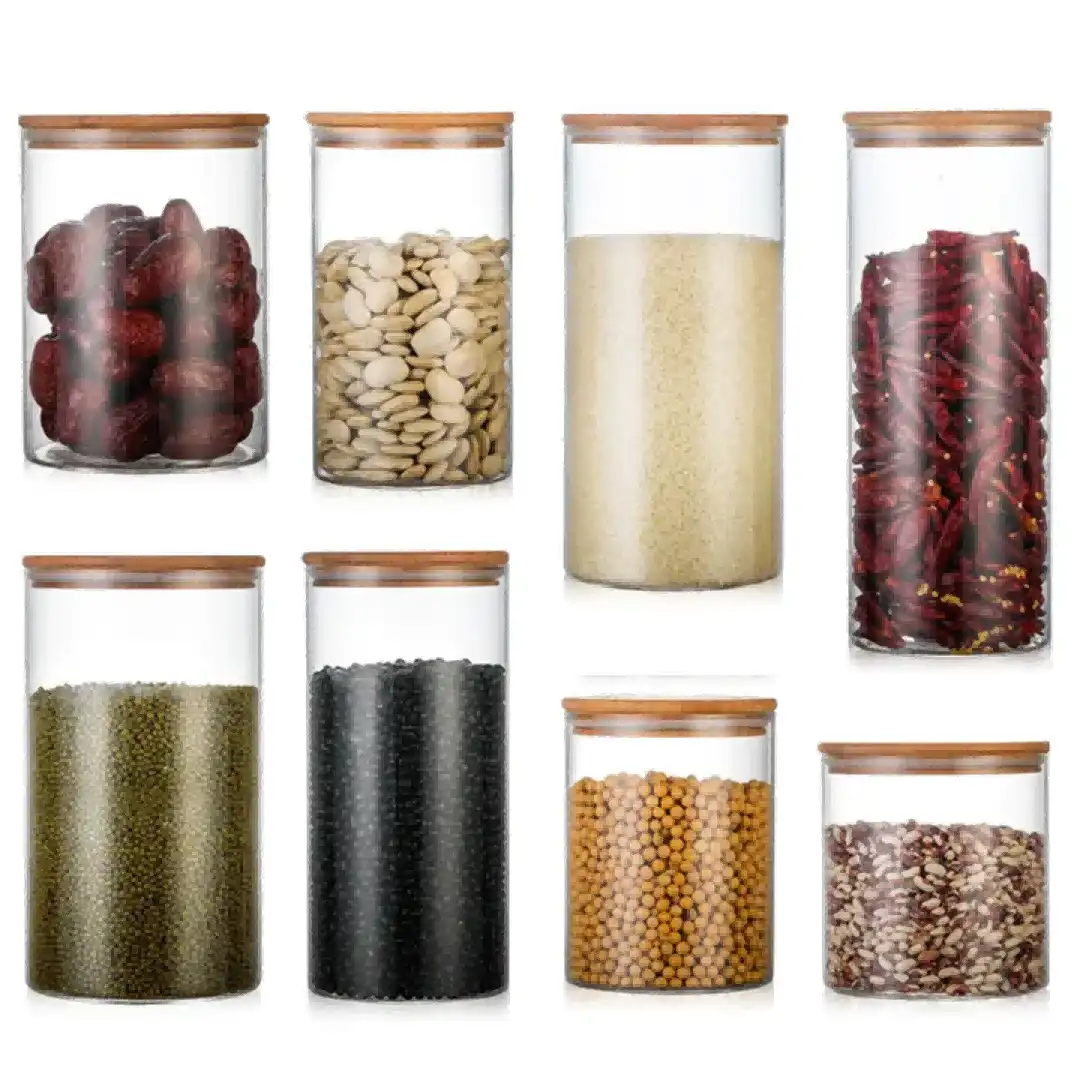
Jars made of glass that don't break are a big step forward in the way businesses store things. They are made to work in rough situations and with big changes in temperature. Because of the way the glass is made, these cases work better than other ways to store things.
Superior Material Properties of Borosilicate Glass
Because it is very stable chemically and doesn't break easily when it gets hot, borosilicate glass is the best material for heat-resistant storage. It doesn't crack when temperatures change quickly because it's made of silica and boron oxide, which have a low thermal growth rate. For this reason, borosilicate glass is great for places that need to heat up and cool down quickly, like food preparation plants and busy kitchens.
Because of how its molecules are formed, borosilicate glass is very resistant to chemical weathering and mechanical stress. Borosilicate glass is stronger than regular soda-lime glass because it can handle acidic foods, alkaline cleaning products, and temperatures both high and low. Long after they are made, storage bins keep their shape and clarity because they don't break down easily.
Temperature Resistance and Thermal Performance
Most modern heat-resistant glass storage jars can handle temperatures between -20°C and 130°C. This means they can be used for a lot of different storing jobs. This range of temperatures can be used for both freezing and heating food to keep it fresh. Containers don't break when they go from one very different temperature setting to another because of the thermal shock resistance. This happens a lot in food service companies.
Advantages Over Alternative Storage Materials
Heat-resistant glass is better in many ways than plastic, clay, or standard glass. The smooth, non-porous surface keeps food safe by stopping germs from growing and smells from getting into the food. When things are kept in glass cases, chemicals can't get into them. In line with rules about food safety, this keeps the goods clean. Because borosilicate glass is clear, it is easy to see what is inside and find things that have been stored.
Common Challenges in Cleaning Heat-Resistant Glass Storage Jars
When used in businesses, heat-resistant glass cases are subject to different dirt and grime that need special cleaning methods. By learning about these issues, you can come up with good ways to clean things that keep them running well and make them last longer.
Contaminant Types and Their Impact
A lot of the time, glass surfaces in food service areas get protein crystals, lipid leftovers, and mineral buildup that sticks very tightly. There are germs that can grow in these areas if they aren't properly cleaned up. This is bad for food safety. It might be hard to get rid of extra baked goods because they need to be heated up or soaked in water for a long time.
Chemicals from cleaning products or food processing can leave behind films that are hard to see but make containers not work as well as they should. These leftovers might make it impossible for locking devices to work or level out the surface, which could trap more dirt. If you clean glass the wrong way, you can see thermal stress lines on the surface that look like cloudy or scratched spots.
Inadequate Cleaning Method Consequences
Most of the time, standard methods for cleaning glass cases that can handle high temperatures don't work well in harsh industrial settings. Rubbish that is too rough can leave tiny scratches on glass that make it less strong and give bugs a place to live. Things can be damaged by thermal shock if they are cleaned with too much heat, especially if the temperatures change quickly.
Cleaners with chemicals that are very acidic or very basic can slowly scratch glass, making it less clear and rough, which makes it hard to clean. Because of these changes to the surface, the container may not be able to keep its lids on as well and may wear out faster, which could cause it to break early.
Step-by-Step Guide to Cleaning Heat-Resistant Glass Storage Jars
You need to follow a set of steps that put safety, care, and keeping the item safe first in order to clean heat-resistant glass storage boxes well. The best way to clean the jar and keep it in good shape is to follow set steps.
Initial Inspection and Safety Preparation
Before each cleaning cycle starts, carefully look over the containers to see if there is any damage that you can see, like chips, cracks, or stress marks. Containers that are broken should not be used right away so they don't break while they're being used. Make sure you have the right safety gear on before you work with cleaning products or broken glass. For example, wear safety glasses and gloves that can handle chemicals.
Take out everything inside and any loose dirt before you start cleaning. Clean the outside of the containers by rinsing them with warm water. This will prepare the surfaces for a deeper clean. This first rinse keeps the cleaning supplies from getting dirty when they don't need to, and it also makes the whole process of cleaning better.
Cleaning Solution Selection and Application
When cleaning glass, don't use products with rough edges or strong acids. Instead, use products that are made just for glass. Acidic cleaners that are mild are good at getting rid of organic dirt on glass without damaging it. Protein and carbohydrate layers are broken down by enzyme-based cleaners instead of chemicals when they come to tough leftovers.
If you want to make your own cleaning solution, make sure it has the right amount of strength to get the job done without hurting the surface. Cleaning solutions that don't scratch glass can be put on with soft-bristled brushes or cleaning pads that don't have bristles. Before you start mechanical cleaning, give the cleaning agents enough time to break down the buildup.
Thorough Rinsing and Drying Procedures
To get rid of all cleaning solution leftovers, rinse several times with clean, drinking water. Chemical films can form on the container if you don't clean it well enough. These films can make the food less safe and the container less useful. For the last rinse, use distilled or deionized water if the mineral layers in tap water bother delicate items.
If you clean glass the right way, water spots and mineral layers will not show up on it. For best results, dry things in clean air. However, warm drying rooms can speed up the process for big projects. When you clean something, don't use something soft that could leave threads or lint behind.
Choosing the Right Heat-Resistant Glass for Your Storage Needs
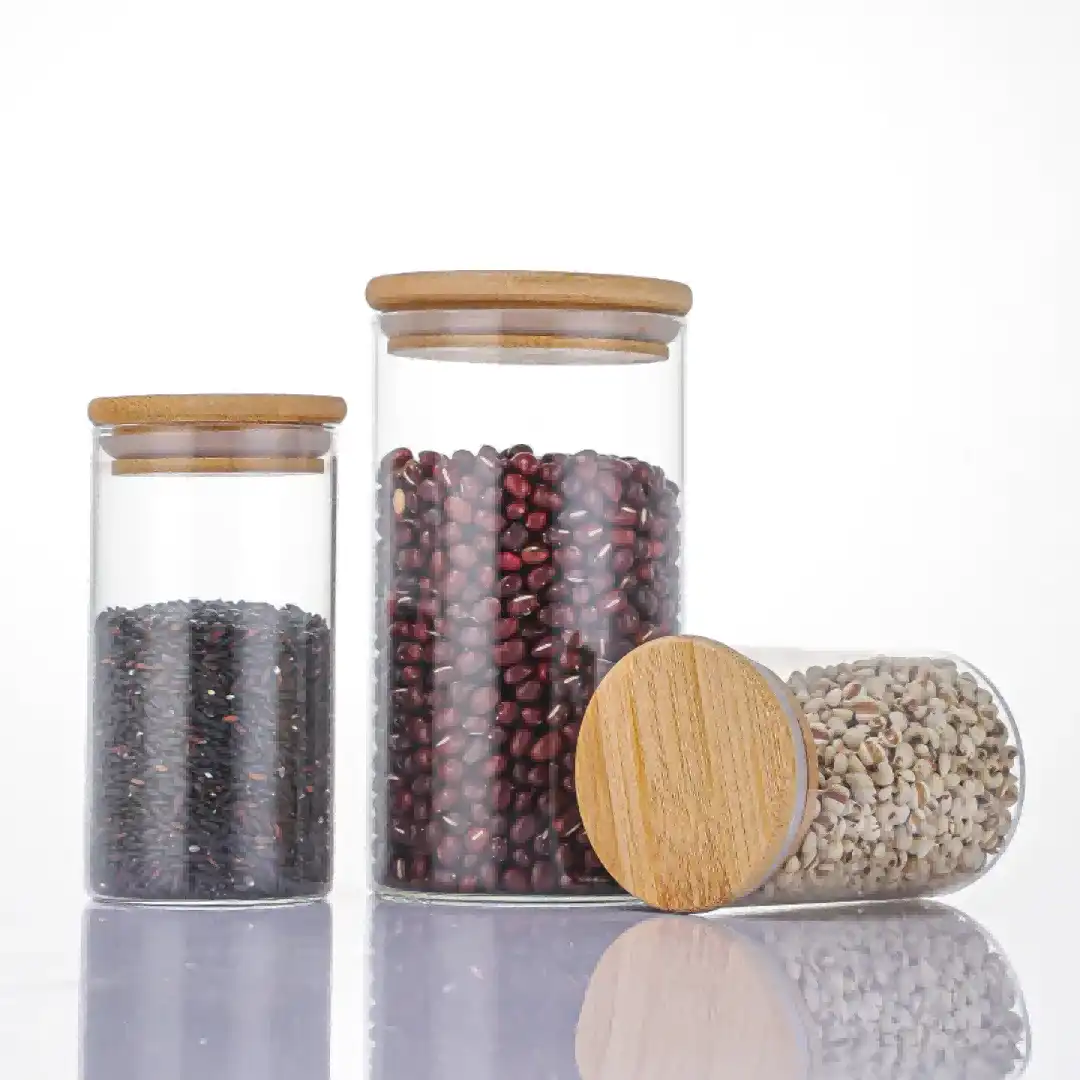
You should carefully consider your goals, the performance standards, and the cost when picking the best heat-resistant glass storage choices. They can make decisions that improve worth and success if they know all of their choices.
Material Composition Comparison
Borosilicate glass is still the best material for heat-resistant storage because it doesn't mix with chemicals and can handle sudden changes in temperature better. The best performance comes from the 3.3 borosilicate standard, which has high melting temperatures and low thermal expansion factors. It is guaranteed that this mix of materials will work well in many different work situations and will keep the building strong for a long time.
Formulas that don't contain lead can still work very well and are better for the environment and your health. The government has made these environmentally friendly mixes follow stricter rules without changing their temperature or how they work. Since there is no lead in it, there are no worries about leaks, and the making process is good for the earth.
Performance Specifications and Testing Standards
The thermal shock resistance of a container tells you how well it can handle quick changes in temperature without breaking. For most business uses, good glass boxes that can handle temperature changes of more than 270°C are fine. Tests for chemical resistance make sure that containers stay strong even after being cleaned with acids, food, and other chemicals that are used at work.
A container's mechanical strength tells you how well it can take small hits and a lot of pressure. Other kinds of glass are not as strong as good borosilicate glass. This helps with the need for visual checks because it makes sure that things stay clear to the naked eye for as long as they are used.
Procurement Strategies for Bulk Orders
You save a lot of money and make sure your business can keep running when you buy in bulk. Firms that have been around for a while, like Chilin Glass, can offer good deals on big orders while still maintaining high quality standards. When you place an order for at least 100 units, you can get discounts and keep track of your supplies better.
When buyers have unique capacity options, they can pick container sizes that make operations and storage go more easily. Having a lot of colors helps with branding and keeping track of what you need. Customization services let you add logos and make sure that special packaging needs are met. This makes a brand look better and protects its goods better.
Maintenance and Long-Term Care Recommendations
If you want your heat-resistant glass storage cases to last longer, you need to set up care plans that fix problems before they get worse. Systematic care methods keep functions running at their best and get the most out of the money spent on purchases.
Preventive Maintenance Scheduling
When problems are checked on a regular basis, they are found before they cause things to break or put people at risk of getting sick. Once a week, when you clean something, you can look at it to find early signs of damage, wear, or performance loss. For continued reliability, full checks should be done once a month. These checks should include making sure the seal is still good and seeing how the surface is doing.
How often it is used and the chance of getting dirty should determine how often it needs to be cleaned. Like, every day you should clean up apps that you use a lot. How often something needs to be cleaned depends on how it's stored. For instance, places that get wet or are chemically active need to be cleaned up more often. Recording cleaning and checking jobs is an important part of quality management systems and is also required by law.
Environmental Storage Considerations
If you put heat-resistant glass cases the right way, they won't get damaged by temperature stress or force when they're not in use. Places that keep things at a constant temperature stop heat processes that can weaken glass over time. Things that are stored far enough apart won't touch and can grow and shrink without putting too much stress on one area.
By controlling humidity, you can stop condensation from forming. Condensation can leave behind mineral layers or help germs grow on the sides of containers. When bins are stored in clean areas, they are less likely to get dirty, and less cleaning needs to be done before they can be used again. Having organized storage systems helps you keep track of your products and keeps things from getting damaged while being moved.
Transport and Handling Best Practices
When containers are handled carefully, they are less likely to get damaged by accidents and mechanical stress, which can make them less stable. In classes for staff, the right way to lift things and avoid collisions are stressed. Glass storage jars are kept safe while being moved from where they are held to where they are used in padded shipping cases.
Normalization times for temperatures let things slowly get used to new conditions. This keeps them from being hurt by sudden changes in temperature. This is especially important when moving packages from places where they can be kept cold to places where they can be kept at room temperature. Temperature changes that happen slowly protect the structure of things and make them last longer.
Conclusion
It is important to clean and care for heat-resistant glass storage jars in the right way so that they work well, last a long time, and meet business food safety standards. When people who buy things know about the unique properties of borosilicate glass, they can make care plans that work and get the most out of their money. Using the right cleaning solution, following a plan for regular maintenance, and following a systematic cleaning method will all help operations run more easily while keeping the high levels of chemical and heat resistance that make these containers so useful in tough business settings.
FAQ
Q1: Can heat-resistant glass containers handle sudden temperature changes safely?
A: Cases made of good heat-resistant glass, like those made of 3.3 borosilicate glass, can handle temperature changes of more than 270°C without breaking. It won't hurt these cases if they go from being kept in a freezer at -20°C to a hot place at 130°C. Borosilicate glass doesn't break when stress builds up like other types of glass do because it has a low temperature growth rate.
Q2: How can I be sure that the safety rules and licenses a provider claims to have are real?
A: Sellers you can trust will give you detailed material certificates that explain the types of glass used, how well they meet safety standards, and how resistant they are to heat. Ask to see proof that they follow quality standards around the world, such as ISO 9001 manufacturing licensing. Well-known labs' independent tests back up promises of performance and make sure products meet the requirements for business use.
Q3: What cleaning frequency is recommended for commercial operations?
A: Based on how often it is used and how likely it is to get dirty, something should be cleaned every so often. Every day, food service places that get a lot of use should be cleaned. Sometimes, containers for dry goods only need to be cleaned once a week. But, containers that hold wet or sour foods need to be cleaned right away after each use. Clean at times that make sense for your business and follow food safety rules, not just whenever you feel like it.
Q4: Are there specific cleaning products to avoid with heat-resistant glass?
A: Cleansers with hydrofluoric acid, strong alkalis above pH 12, or rough chemicals that can scratch glass should not be used. Chlorine-based bleach can etch over time, and ammonia-based cleaners can leave behind residues that make sealing less effective. For the best cleaning results that won't damage the glass, use slightly alkaline or pH-neutral cleaners that are made just for glass.
Partner with Chilin Glass for Premium Heat-Resistant Glass Solutions
Chilin Glass is a trustworthy company that makes glass that can withstand high temperatures and durable borosilicate storage choices that meet the strict needs of businesses. Our lead-free, eco-friendly high borosilicate glass cases can last from -20°C to 130°C, which means they are very resistant to heat shock and can be used for many things. We've been making unique goods for over ten years, and our services can be fully tailored to meet the needs of your business. This means giving you options for brand, color, and size.
We care about quality in more ways than just making things. We also help with shipping, taking care of all the paperwork and making sure that operations run smoothly so that goods bought from other countries go smoothly. Send us an email at sales@chilinglass.com to talk about your needs for heat-resistant glass storage and to get great deals on big orders that start at 100 units.
References
1. Johnson, M. K. (2023). "Industrial Glass Cleaning Protocols: Best Practices for Commercial Food Service Applications." Journal of Food Safety and Sanitation, 45(3), 78-92.
2. Williams, R. A., & Chen, L. (2022). "Thermal Properties and Performance Characteristics of Borosilicate Glass Storage Containers." Materials Science and Engineering Review, 38(7), 145-162.
3. Thompson, S. J. (2023). "Comparative Analysis of Heat-Resistant Glass Materials in Commercial Storage Applications." International Journal of Food Processing Technology, 29(4), 203-218.
4. Davis, P. L., Martinez, C. R., & Brown, K. M. (2022). "Contamination Prevention and Cleaning Effectiveness in Glass Storage Systems." Food Industry Quality Management, 51(8), 334-349.
5. Anderson, H. F. (2023). "Procurement Strategies for Heat-Resistant Glass Containers: Cost-Benefit Analysis and Supplier Evaluation." Commercial Food Service Management Quarterly, 67(2), 112-128.
6. Lee, J. H., & Taylor, N. P. (2022). "Long-term Performance and Maintenance Requirements of Borosilicate Glass Storage Solutions in Industrial Settings." Glass Technology International, 44(6), 267-281.
YOU MAY LIKE