
What Is the Best Airtight Container for Storing Cereal?
2026-02-23
The best airtight container for cereal is made with high-quality closing technology, food-safe materials, and useful design features that keep the cereal fresh and stop it from getting contaminated. Glass cases with silicone seal lids are the best option because they are long-lasting, resistant to chemicals, and look good, meeting the needs of both businesses and consumers. These cases effectively stop moisture and pests from getting in while keeping the quality of the cereal over long periods of time. This makes them an essential item for procurement workers looking for reliable bulk storage options.
Understanding Airtight Containers and Their Role in Cereal Storage
Specifically designed storage solutions called airtight cases keep cereals from being exposed to air, wetness, and pests while keeping their nutritional value and taste. These cases have high-tech locking systems, silicone gaskets, and rubber seals that keep things inside. They are much better at keeping things inside than regular storage options like cardboard boxes or simple plastic bags.
Controlling external factors that speed up deterioration is the scientific idea behind how to effectively preserve cereal. Oxygen contact causes lipid oxidation in wheat grains, which makes them go bad and lose their taste. Mold grows and textures break down when moisture gets inside, and staling happens faster when temperatures change. These problems can be solved with materials science and engineering accuracy in high-quality airtight cases.
Critical Performance Characteristics
Modern airtight storage systems use more than one barrier technology to keep the quality of the goods inside. Vapor barrier properties stop the movement of moisture, and oxygen barrier qualities stop oxidative processes from happening. Light-sensitive nutrients are kept from breaking down by UV protection. This is especially important for grains that have been enriched with vitamins and minerals.
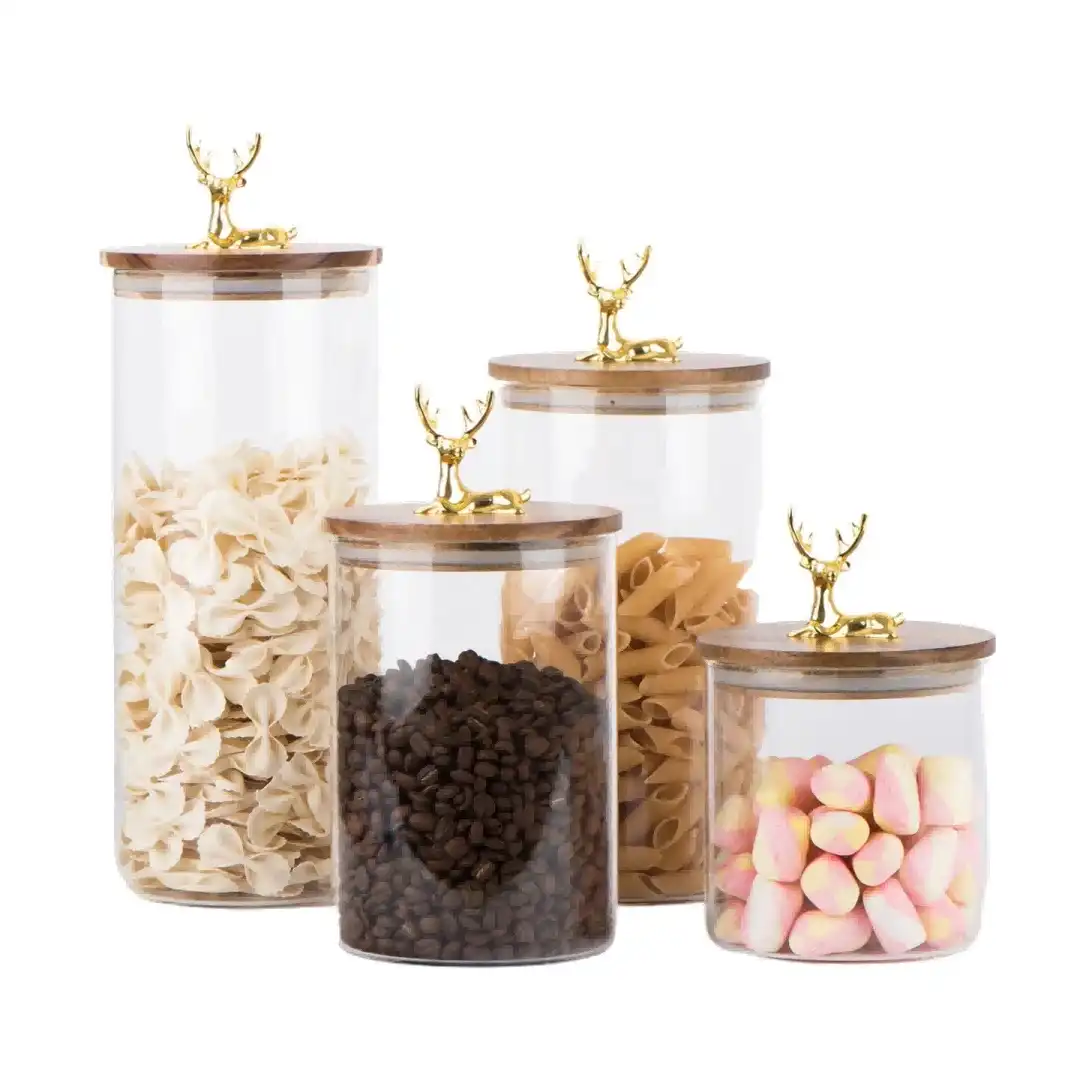
The quality of the covering on the luxury Airtight Container keeps the inside atmosphere stable even when the outside conditions change. This stability is very important for businesses that deal with temperature and humidity changes all the time during the storage and delivery processes. Cross-contamination between types of food can also be avoided by properly closing the packages. This is especially important in places that handle many product lines at once.
Key Factors to Consider When Choosing Airtight Containers for Cereal
To choose the best safe storage options, you need to carefully consider the materials used, how the structures are built, and how well they work with other systems. Safely storing cereal starts with using materials that are approved for food use. Borosilicate glass is better than plastic options because it doesn't absorb smells or release chemicals over time.
The choice of material has a big effect on how well and how cheaply something works in the long run. Borosilicate glass containers can handle temperature changes from -20°C to 130°C, which is good for business kitchens and storage areas where temperatures often change. This resistance to heat keeps the seal from breaking even when it's being used in harsh circumstances.
Capacity Optimization and Sizing Considerations
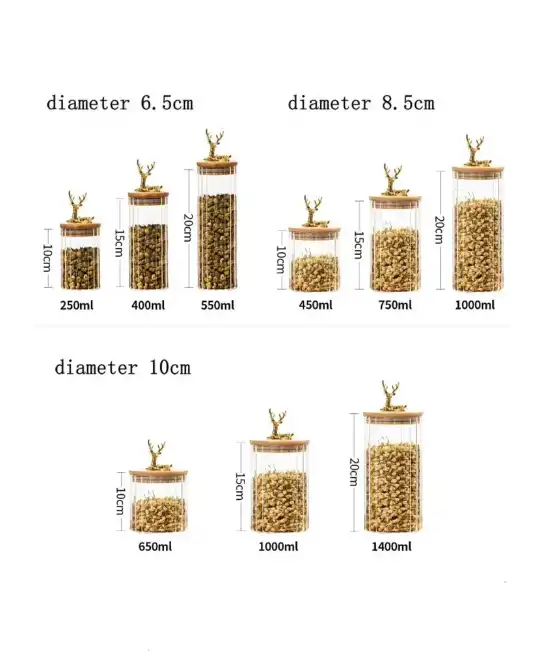
When planning container space, you have to find a balance between how efficiently you can store things and how easily you can move them. Standard sizes are good for businesses because they make it easier to keep track of products and use room. Custom sizing choices let you fit specific product amounts and packing needs, which is helpful for companies that make their own brands and distribute unique foods.
Stackability features make the most of vertical storage room and keep things stable while they're being moved and handled. Modular designs let you change the layout as your storage needs change, which is good for businesses that are growing over the long run. In food service settings, clear marks and measurement tools help keep track of supplies and keep portions under control.
Durability and Maintenance Requirements
Industrial-grade Airtight Containers must be able to be cleaned over and over again without losing their ability to seal. Dishwasher-safe materials cut down on work costs and make sure that cleanliness standards are always met. Having replacement parts for seals and lids saves equipment purchases and extends the life of containers.
When objects are cleaned with industrial cleaners, chemical resistance is very important. Borosilicate glass keeps its shape and quality even when it comes into contact with alkaline cleaners and acidic disinfectants that are often found in professional kitchens and food processing plants.
Top Airtight Container Types for Cereal: A Comparative Analysis
There are many different airtight storage options on the market, and each one has its own benefits for different uses and operations. Knowing these differences helps you make smart choices about what to buy that fit your budget and meet your performance goals.
Glass Container Systems
Borosilicate glass dishes work very well in a number of different ways. Their smooth, non-porous surface keeps flavors from absorbing and stops ghosting between kinds of cereal. Visual clarity lets you check the inventory right away without having to open any packages, which lowers the risk of contamination and handling.
Thermal stability lets things safely go from being stored in the fridge to being stored at room temperature without getting damaged by thermal shock. This flexibility is useful for businesses that need to store things at a certain temperature or for keeping goods fresh by keeping them cool. Chemical inertness in good glass means that it won't react with cereal ingredients, so the tastes and nutritional values stay the same.
High-Performance Plastic Options
Newer types of plastic offer options that are lighter and better at absorbing impacts. Compounds that don't contain BPA are better for your health and save money for large-scale activities. Modern plastic containers have complex lock designs that can compete with glass in many situations.
Weight benefits become important for portable uses and cases where Airtight Container need to be moved around a lot. In many business situations, higher unit prices are balanced out by lower shipping costs for large sales. Plastic containers also don't break easily in places with a lot of action, where glass could be dangerous.
Vacuum-Sealed Storage Systems
Specialized vacuum tanks take out oxygen from the air, which makes storage last much longer than with regular closed systems. This technology works especially well for organic and high-end grains, where keeping the food as fresh as possible is worth the higher cost of the equipment.
To do active vacuum upkeep, you need more tools and training, but the effects are better for long-term storage. These methods work great when containers need to stay closed for a long time, like when emergency food stores need to be managed or when seasonal inventory needs to be managed.
Procurement Considerations for Buying Airtight Containers in Bulk
For bulk purchasing strategies to work, suppliers' skills, quality control programs, and the chance of a long-term relationship need to be carefully looked at. When it comes to consistency, expert help, and the reliability of the supply chain, well-known makers are worth the extra cost for important uses.
When negotiating a large purchase, you should talk about more than just the unit price. You should also talk about the possibility of customization, the shipping schedule, and the guarantee coverage. Reliable sellers give buyers a lot of information about their products, like full specifications, material certifications, and performance testing results, which helps them make smart buying choices.
Supplier Evaluation Criteria
Quality controls during production make sure that the product works the same way on all big sales. Adherence to foreign standards is shown by ISO approval and food safety compliance. The ability to produce goods and distribute them geographically affects the dependability of deliveries and the security of ongoing supplies. When setting up new storage systems or teaching staff how to use containers correctly, technical support services are very helpful. Suppliers who offer help with installation, training in upkeep, and troubleshooting are more valuable than those who just bring products.
Customization and Branding Opportunities
Through OEM relationships, containers can be customized in a way that supports both brand identity and practical needs. Custom sizes, color schemes, and the addition of logos make storage solutions stand out, which helps people remember your brand and gives you a more professional look. When wholesalers and stores use private labeling, they can offer unique container lines that set their product lines apart. With custom packing and point-of-sale materials, you can support your marketing efforts and save money on purchases by buying in bulk.
Application-Specific Recommendations: Best Airtight Containers for Cereal Storage
Different operating settings need different container features that are best for the way they are used and how well they need to perform. Knowing these uses will help you choose the best containers that will give you the best return on your investment.
Commercial Kitchen Applications
Containers need to be easy to open and have clear labeling methods in places with a lot of turnover. Quick-lock caps save time and effort while keeping the seal intact over and over again. Ergonomic handles and light construction keep workers from getting tired during busy service times. Stackable designs make the most of limited storage room and keep setups steady even when conditions change. Non-slip bases keep things from moving around while you're making food. Clear visibility screens let you check your goods right away without stopping the flow of work.
Retail Display and Storage
Applications that are used by consumers benefit from having beautiful designs that improve how the product looks while still working properly. Glass containers have a high-end look that supports higher prices and brand placement tactics. Feature that are easy to get to encourage customers to connect with the product while still protecting it. Dispensing systems cut down on waste and make it easier to control portions. Reusable designs help with environmental efforts and lower the cost of packing large items.
Long-Term Storage and Emergency Preparedness
Maximum seal integrity and pest control are priorities for long-term storage uses. Heavy-duty design can handle problems in storage environments and keep product quality for months or years. Climate-resistant materials work reliably in warehouses where temperature and humidity levels change often. The ability to change the gaskets ensures long-term seal upkeep without having to replace the whole container.
Chilin Glass: Your Trusted Airtight Container Manufacturer
Chilin Glass is a top company that makes high-quality borosilicate glass storage cases. They specialize in airtight options that meet the strict needs of commercial food businesses. Our wide range of products includes cases with lids made of bamboo, wood, cork, stainless steel, and plastic, so they can be used for a wide range of storing needs.
Our production experience spans more than ten years, and we use real 3.3 borosilicate glass, which has excellent chemical protection and thermal expansion qualities. Our factory is in Hejian City, Hebei Province, which is known for its borosilicate glass industry belt. It blends traditional craftsmanship with modern production technology to make storage solutions that are both clear and good for the environment.
Quality assurance programs make sure that every container meets international standards for food safety and has the sturdiness and performance that procurement pros need. Our ability to survive thermal shock at temperatures ranging from -20°C to 130°C makes it suitable for use in a wide range of industrial kitchen and storage environments.
Through our OEM and ODM programs, our custom production services can meet particular needs for capacity, branding, and unique uses. Businesses of all kinds can use professional storage options because they only require orders of 100 units or more. As part of our export services, we help with all of your paperwork and have set up transportation networks that reach dozens of countries around the world.
Conclusion
To choose the best airtight container for storing food, you have to weigh the performance of the material, the needs of the operation, and the cost. Borosilicate glass cases are the best option because they are very durable, don't react with chemicals, and stay stable at high temperatures. They keep the quality of the product inside and can be used for many different business purposes. Quality cases protect the money you spend on expensive cereals, cut down on waste, and keep your brand's image by making sure products are always presented the same way.
To be successful with procurement, you need to work with manufacturers who have a lot of experience, know how complicated industrial food storage can be, and can offer custom solutions that solve specific operating problems. Premium storage systems pay for themselves by extending the life of products, cutting down on waste, and making operations run more smoothly.
FAQ
What materials are safest for cereal storage containers?
The safest ways to store cereal are in food-grade Pyrex glass or BPA-free plastic. Borosilicate glass is very chemically neutral, which means that food and containers don't react with each other. This material keeps its original tastes and nutritional profiles while also being able to handle industrial cleaning methods without breaking down.
How often should commercial cereal storage containers be cleaned?
To keep up with cleanliness standards and stop cross-contamination, commercial cereal storage bins need to be cleaned very well after every bulk refill cycle. Deep cleaning once a week with approved industrial cleaners makes sure that food safety rules are followed, keeps containers working well, and extends their useful life.
What distinguishes airtight containers from vacuum-sealed systems?
Containers that don't let air out make sealed settings that keep the air pressure inside the container steady. Vacuum-sealed systems actively remove air from the storage area. This creates negative pressure, which makes storage last a lot longer. Vacuum systems need special tools to work, but they preserve things better for long-term keeping.
Can airtight containers accommodate organic and specialty cereals?
All kinds of cereal can fit in premium sealed cases, even organic, gluten-free, and specialty types. Boron borosilicate glass and other non-reactive materials keep products clean and safe. Cross-contamination can happen when different product lines are stored in different cases. This keeps the flavors and textures that are important for specific markets.
Contact Chilin Glass for Premium Airtight Container Solutions
Chilin Glass makes high-quality airtight borosilicate glass containers that are perfect for industrial cereal storing. Our proven production skills and wide range of customization options mean that we can provide the best solutions for your operating needs. Get in touch with our staff at sales@chilinglass.com to talk about buying in bulk and to see our full selection of food-safe storage cases.
References
1. Anderson, M.J. & Williams, K.L. "Food Storage Technology and Preservation Methods in Commercial Applications." Journal of Food Science and Technology, Vol. 45, No. 3, 2023.
2. Chen, R.P. "Borosilicate Glass Properties and Applications in Food Contact Materials." International Materials Research Quarterly, 2024.
3. Davidson, S.K., et al. "Airtight Container Performance Analysis for Dry Food Storage." Food Engineering and Processing Review, Vol. 12, Issue 2, 2023.
4. Rodriguez, A.M. "Commercial Food Storage: Best Practices for Bulk Cereal Preservation." Food Service Management Today, 2024.
5. Thompson, L.D. & Zhang, H. "Thermal Shock Resistance in Glass Storage Containers: Manufacturing and Performance Standards." Glass Technology International, Vol. 28, 2023.
6. Wilson, J.F. "Procurement Strategies for Food Storage Equipment in Commercial Operations." Supply Chain Management in Food Industry, 2024.
YOU MAY LIKE