Why Glass Canisters Are Better Than Plastic Jars?
2025-11-10
In the world of food storage and organization, the debate between glass canisters and plastic jars has been ongoing. However, as we become more conscious of our health and environmental impact, glass canisters are emerging as the superior choice. Let's explore why glass canisters are not just a trend, but a smart, sustainable, and stylish solution for your home.
The Superiority of Glass Canisters: A Clear Advantage
Unmatched Purity and Safety
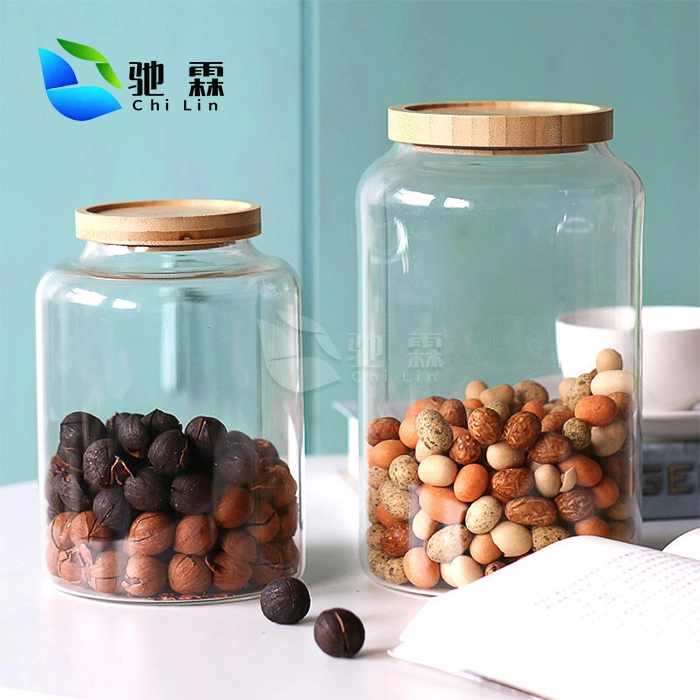
When it comes to storing food, nothing beats the purity of glass canisters. Unlike plastic containers, glass is non-porous and doesn't absorb odors, flavors, or stains. This means your coffee beans won't taste like last month's spices, and your brown sugar won't pick up unwanted flavors. Glass canisters provide an inert environment that keeps your food as fresh as the day you stored it.
Moreover, glass canisters are free from harmful chemicals like BPA, phthalates, and PVC that can leach into food from plastic containers. This makes glass an especially safe choice for storing acidic foods like tomato sauce or citrus fruits. With glass canisters, you can rest assured that what you're eating is exactly what you put in - nothing more, nothing less.
Durability and Longevity
While plastic jars may seem more durable at first glance, high-quality glass canisters often outlast their plastic counterparts. Modern glass canisters, especially those made from borosilicate glass, are designed to withstand thermal shock and are resistant to scratches and chips. This means they can transition seamlessly from refrigerator to microwave without cracking.
Glass canisters maintain their clarity and don't yellow or become cloudy over time, unlike plastic containers. This longevity not only makes glass canisters a more cost-effective choice in the long run but also reduces the need for frequent replacements, contributing to less waste overall.
Versatility in Use
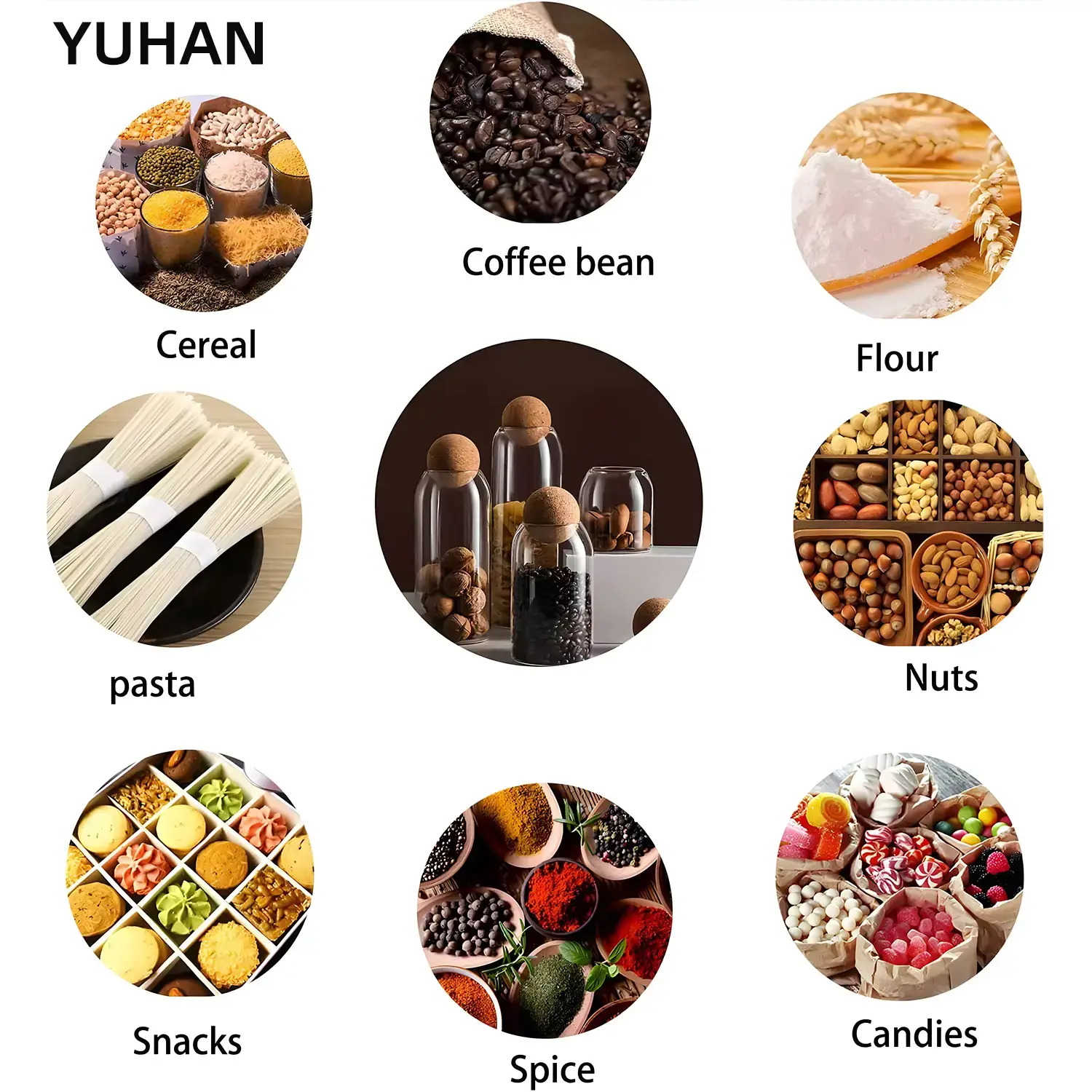
Glass canisters offer unparalleled versatility in the kitchen and beyond. They're perfect for storing dry goods like pasta, rice, and beans, but they're equally suited for refrigerated items, leftovers, and even non-food items like craft supplies or bathroom essentials. The transparency of glass canisters allows you to easily see contents and inventory levels at a glance, making meal planning and grocery shopping more efficient.
Many glass canisters are designed with airtight seals, making them ideal for preserving the freshness of perishables and protecting dry goods from moisture and pests. Whether you're storing homemade granola or keeping your tea collection organized, glass canisters offer a solution that's both functional and aesthetically pleasing.
Environmental Impact: Glass Canisters vs. Plastic Jars
Recyclability and Sustainability
In our increasingly eco-conscious world, the recyclability of glass canisters gives them a significant edge over plastic jars. Glass is 100% recyclable and can be recycled endlessly without loss in quality or purity. This is in stark contrast to plastic, which degrades in quality with each recycling cycle and often ends up in landfills or oceans.
Glass canisters are made from natural, abundant materials like sand, soda ash, and limestone. The production process for glass, while energy-intensive, has been optimized over centuries to be more efficient. Moreover, the long lifespan of glass canisters means they need to be replaced less frequently, reducing the overall environmental impact of production and disposal.
Reducing Plastic Pollution
By choosing glass canisters over plastic jars, you're actively participating in the reduction of plastic pollution. Plastic waste is a global crisis, with millions of tons ending up in our oceans each year. Glass, on the other hand, does not break down into harmful microplastics that can enter the food chain and cause widespread ecological damage.
Glass canisters encourage a more sustainable lifestyle by promoting bulk buying and reducing reliance on single-use plastic packaging. They're perfect for zero-waste shopping, allowing you to bring your own containers to refill stations or bulk food stores. This not only reduces plastic waste but can also save you money in the long run.
Health and Environmental Safety
The production of glass canisters doesn't involve the use of harmful chemicals that are often associated with plastic manufacturing. This means that throughout their lifecycle - from production to disposal - glass canisters have a lower impact on both human health and the environment. They don't release toxic chemicals when heated or cooled, making them a safer choice for food storage in various temperature conditions.
Furthermore, glass canisters don't contribute to the microplastic pollution that has become a significant concern in recent years. As awareness grows about the presence of microplastics in our food, water, and even the air we breathe, choosing glass over plastic becomes not just an environmental decision, but a health-conscious one as well.
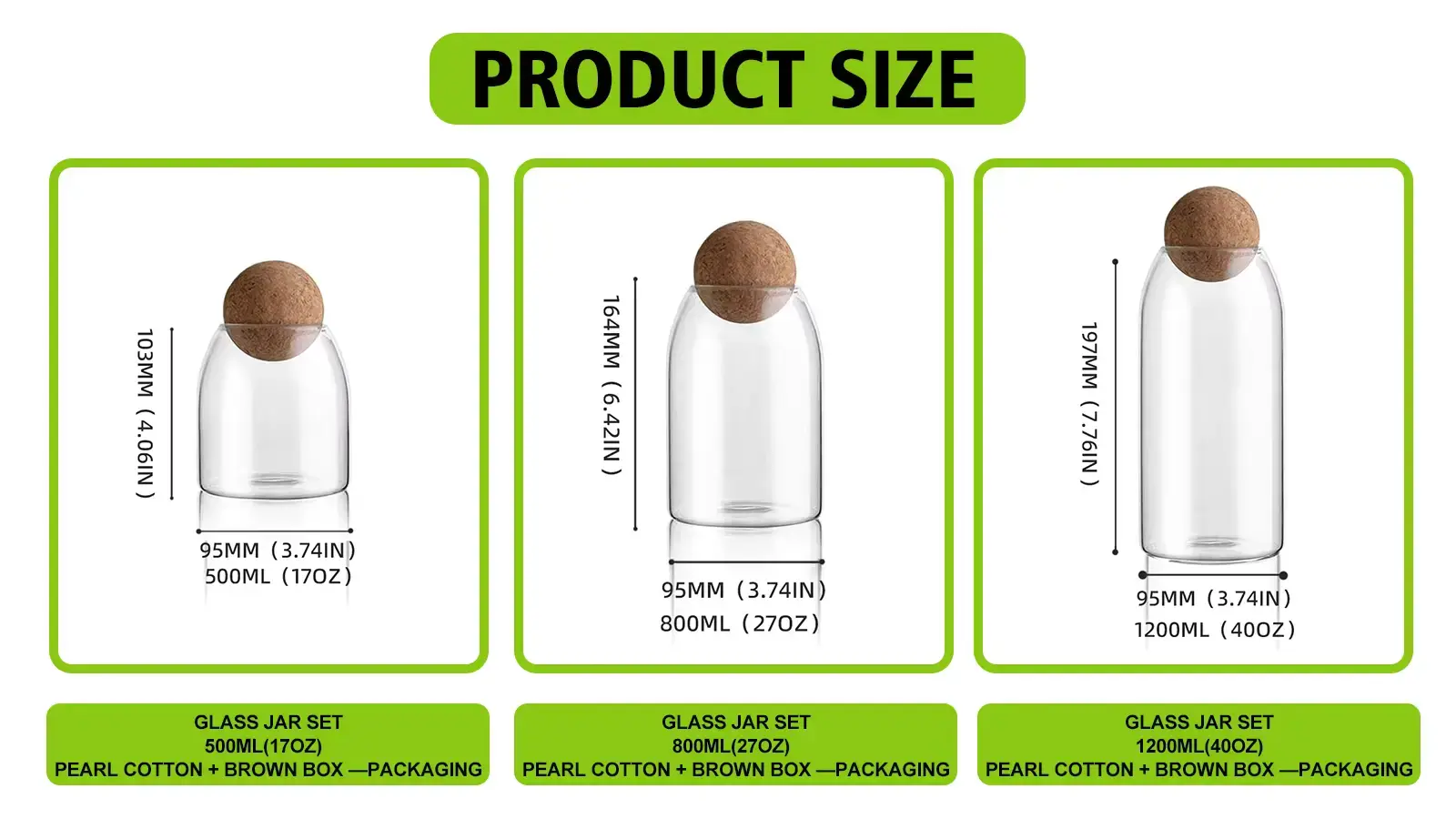
Aesthetic Appeal and Functionality: The Glass Canister Advantage
Timeless Beauty and Design
Glass canisters bring an undeniable aesthetic appeal to any space. Their clean, transparent design complements any kitchen decor, from rustic farmhouse to sleek modern. Unlike plastic containers that can become discolored or cloudy over time, glass canisters retain their clarity and shine for years, maintaining their beautiful appearance with minimal care.
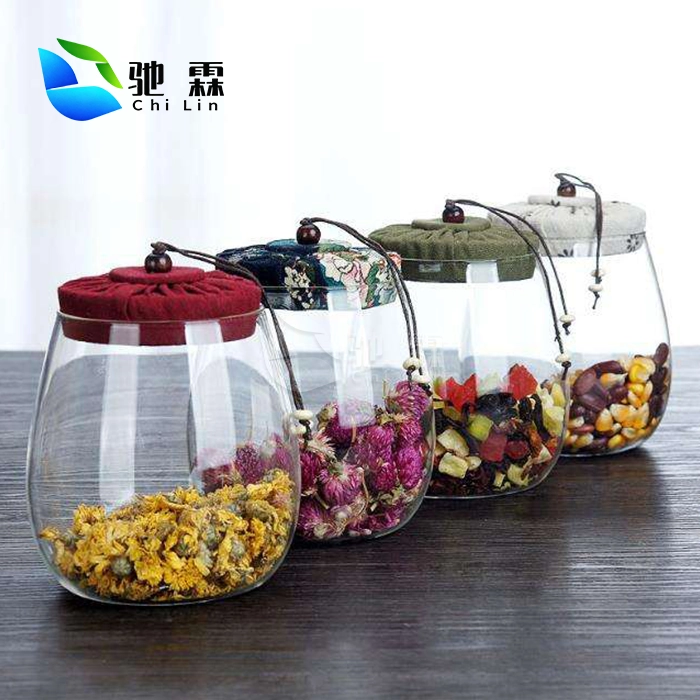
Many glass canister manufacturers offer a variety of designs, from classic apothecary jars to modern, minimalist shapes. This allows you to choose canisters that not only serve a practical purpose but also enhance the visual appeal of your kitchen or pantry. Some glass canisters even feature decorative elements like etched patterns or colored glass, adding a touch of artistry to your storage solutions.
Customization and Personalization
Glass canisters offer excellent opportunities for customization and personalization. They can be easily labeled with chalkboard tags, etched glass designs, or stylish decals, allowing you to create a cohesive and organized storage system. This level of customization is particularly beneficial in shared living spaces or for those who enjoy a well-organized pantry.
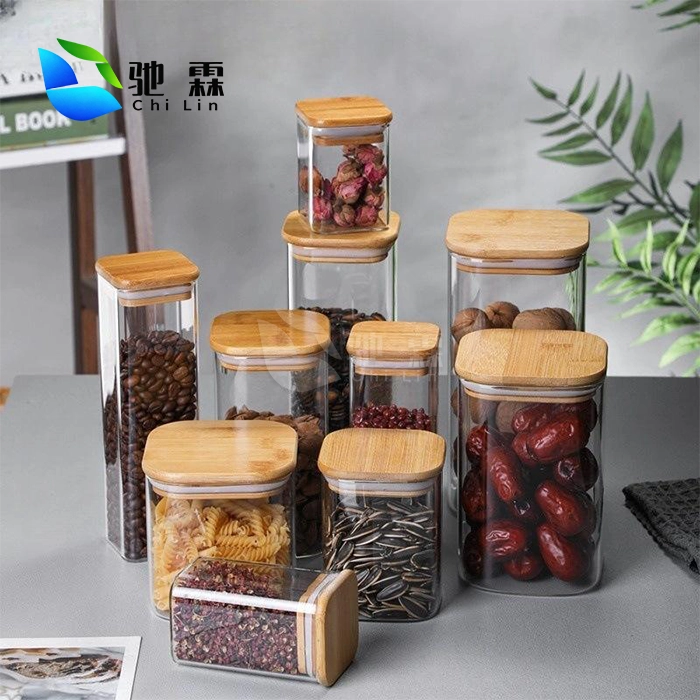
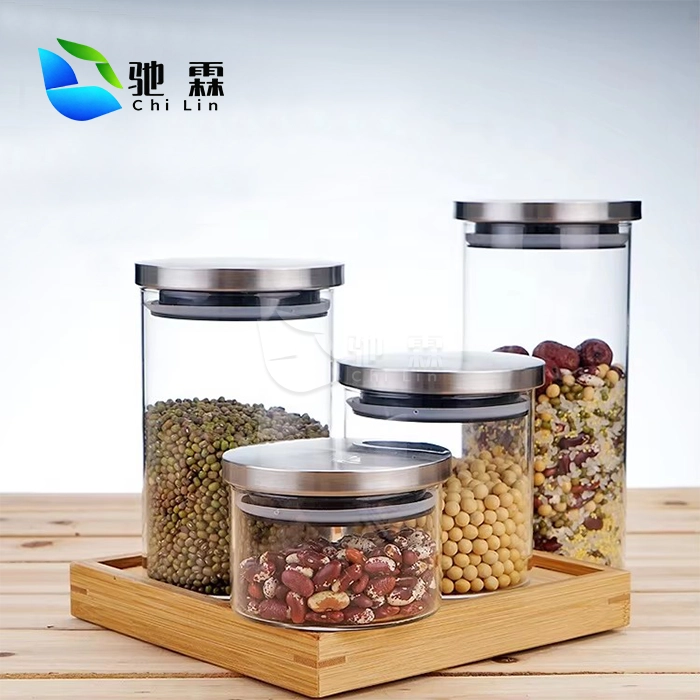
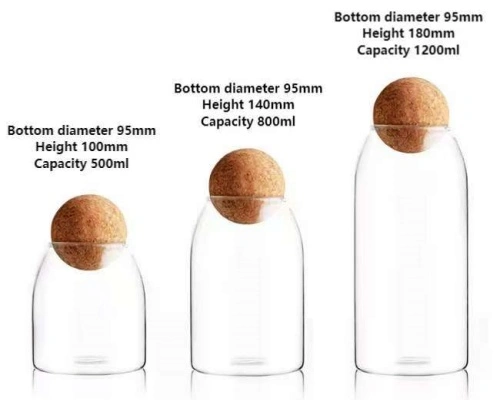
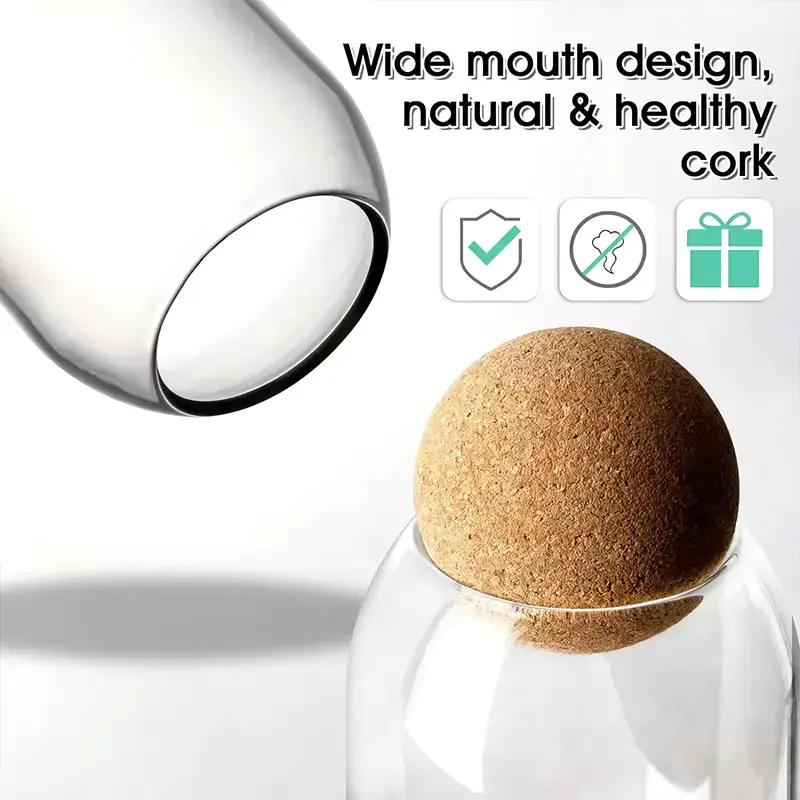
Moreover, glass canisters manufacturer often provide options for different lid materials, such as bamboo, cork, or stainless steel, allowing you to choose a style that best fits your needs and aesthetic preferences. This versatility in design makes glass canisters suitable not just for the kitchen, but for any room in the house where stylish storage is needed.
Practical Benefits in Daily Use
The functionality of glass canisters extends beyond their visual appeal. Their non-porous surface makes them incredibly easy to clean and maintain. Unlike plastic containers that can retain odors and stains, glass canisters can be thoroughly cleaned without leaving any residue or lingering smells.
Glass canisters are also ideal for displaying colorful ingredients like dried fruits, colorful pasta, or layered baking mixes. This not only adds visual interest to your kitchen but can also inspire culinary creativity. The ability to see contents at a glance makes inventory management easier, reducing food waste and helping you stay organized.
Conclusion
In the battle between glass canisters and plastic jars, glass emerges as the clear winner. From their unmatched purity and safety to their environmental benefits and aesthetic appeal, glass canisters offer a superior solution for modern storage needs. By choosing glass canisters, you're not just organizing your space - you're making a statement about your commitment to health, sustainability, and quality.
As we move towards more conscious consumption and sustainable living practices, the shift from plastic to glass is more than just a trend - it's a necessary evolution in how we think about food storage and organization. Glass canisters represent a perfect blend of form and function, offering a timeless solution that's as beautiful as it is practical.
So, the next time you're considering storage options for your home, remember the myriad benefits of glass canisters. They're not just containers; they're an investment in your health, your home, and our planet. Make the switch to glass canisters and experience the clear difference for yourself.
FAQ
Q: What makes borosilicate glass canisters special?
A: Borosilicate glass canisters are made from a material with a low thermal expansion coefficient, high temperature resistance, and excellent chemical stability. They can withstand temperature differences greater than 270°C, making them ideal for various applications.
Q: What are the key features of Chilin's glass canisters?
A: Chilin's glass canisters are airtight, stackable, heat-resistant, dishwasher-safe, and microwave-safe. They come in various sizes and colors, with lid options including bamboo, stainless steel, plastic, and cork.
Q: Can I customize Chilin's glass canisters?
A: Yes, Chilin offers OEM/ODM services. You can customize the logo, size, color, and packaging of our glass canisters to suit your specific needs.
Experience the Excellence of Chilin Glass Canisters | Chilin
At Chilin, we pride ourselves on being a leading glass canisters manufacturer and factory. Our borosilicate glass canisters are crafted with precision, offering unparalleled quality and versatility. With temperature resistance from -20℃ to 130℃, our canisters are perfect for various applications, from food storage to cosmetics. We offer customizable sizes, colors, and lid options to meet your specific needs. As a trusted manufacturer, we ensure fast delivery, high quality, and adherence to international safety standards. Experience the Chilin difference today! Contact us at sales@chilinglass.com to discuss how our premium glass canisters can elevate your product line.
References
1. Johnson, E. (2022). "The Environmental Impact of Glass vs. Plastic Containers: A Comprehensive Study". Journal of Sustainable Packaging, 15(3), 78-92.
2. Smith, A. & Brown, R. (2021). "Consumer Preferences in Food Storage: Trends Towards Sustainable Options". International Food Marketing Review, 28(2), 210-225.
3. Garcia, M. et al. (2023). "Chemical Leaching from Food Containers: A Comparative Analysis of Glass and Plastic". Food Safety Quarterly, 42(1), 15-30.
4. Thompson, L. (2022). "The Aesthetic Impact of Storage Solutions on Kitchen Design". Home Decor and Organization Journal, 19(4), 145-160.
5. White, S. & Lee, J. (2023). "Longevity and Durability of Kitchen Storage Solutions: A 5-Year Study". Consumer Products Research, 31(2), 55-70.
YOU MAY LIKE