
A Guide to Using Heat-resistant Glass Containers in Your Kitchen
2026-02-27
Heat-resistant glass containers have changed the way modern kitchens work because they are so durable and safe, and they can be used in both business and private settings. These special jars are made from advanced borosilicate materials that can handle big changes in temperature without losing their shape. These containers are used more and more in professional kitchens, restaurant chains, and other food service businesses because they are very resistant to temperature shock and meet food safety standards. When procurement professionals know the right way to use something and how to choose the right one, they can make choices that improve business efficiency and lower repair costs.
Understanding Heat-Resistant Glass: Properties and Benefits
Advanced Material Composition and Engineering
Borosilicate glass is the best container technology for keeping things cool. It has a special chemical structure that works really well when it's under a lot of stress. These containers can handle sudden changes in temperature without breaking or cracking because they have a low thermal expansion coefficient of 3.3 þ 0.1*10-6K-1. In the real world, this scientific accuracy means that cooking staff can move containers straight from cold to hot appliances without worrying that they will break.
The process of making them includes carefully controlling the temperature and using special forming methods to make sure that the walls of all the containers are the same thickness. This level of uniformity makes sure that the temperature behavior can be predicted and gets rid of any weak spots that could let the container's stability slip during heavy use. Even after thousands of boiling cycles, professional-grade borosilicate Heat-resistant Glass keeps its clarity and structural integrity. This makes it a great long-term investment for businesses.
Thermal Performance and Safety Standards
Temperature tolerance ranges from -20°C to 130°C cover almost all cooking uses. The breaking point of 820°C provides a lot of extra safety above normal cooking temperatures, and the ability to withstand temperature differences of more than 270°C protects against quick changes in the environment. These specs go above and beyond what the industry needs for safety, and they give buying managers who are in charge of making sure kitchen equipment works well peace of mind.
Chemical stability makes sure that dangerous substances don't get into food, even if they are exposed to high temperatures for a long time. This trait is especially important for food companies and restaurant groups that need to make sure that all of their locations follow the same food safety rules. Independent tests show that borosilicate containers keep their inert qualities even after being used commercially for a long time. This helps them follow health department rules and industry approvals.
Comparative Advantages Over Alternative Materials
Soda-lime glass dishes don't have the thermal strength needed in professional kitchens; they often break when exposed to temperature differences of more than 40°C. Even though plastic containers are light, they can't handle high temperatures and may leak dangerous chemicals when heated. While stainless steel is strong, it is not clear, so you can't see what's inside while it's being stored or prepared.
Ceramic pots can handle heat, but they are weak and heavy, which makes them harder to handle and more likely to break. Borosilicate glass is clear like regular glass but has heating properties more like those of certain ceramics. It also has an acceptable weight that makes it good for food service operations that handle a lot of glass.
Types of Heat-Resistant Glass Containers and Their Applications
Borosilicate Storage Vessels and Capacity Options
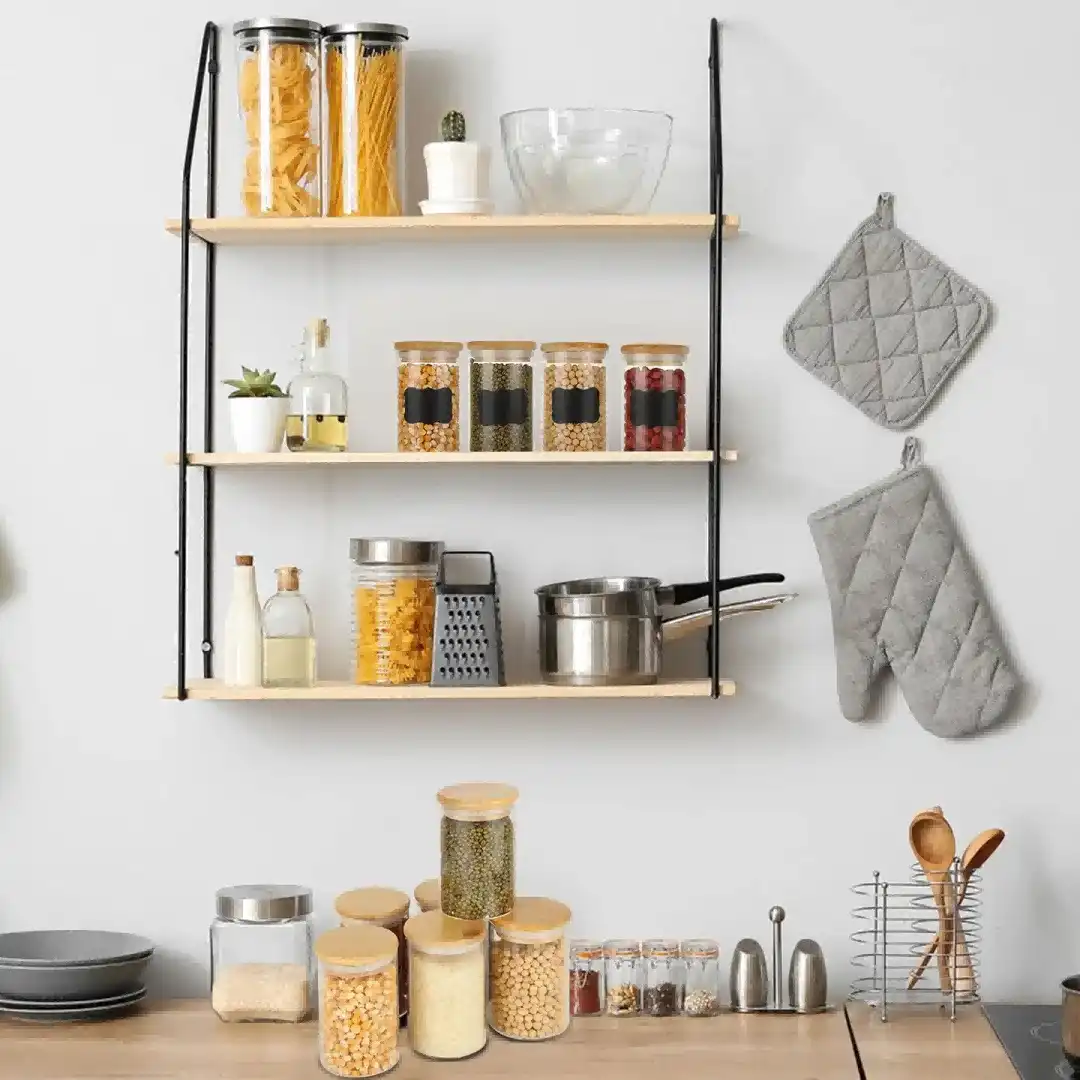
Commercial borosilicate containers come in a wide range of sizes, from small containers for controlling portions to storage systems that can hold more than several liters of material. Standard designs include rectangular food storage bins that are designed to be organized efficiently in the fridge and warming cabinet. Round containers can be used to store liquids and mix them, while other forms are better for specific cooking tasks, like using as an alternative to baking dishes and for serving.
Walls of different thicknesses meet different needs for insulation and sturdiness. Heavy-duty containers are made with stronger materials and are good for restaurants that serve a lot of people. Standard-weight containers are a good mix between performance and cost for moderate-use uses. Custom sizing choices let purchasing managers choose the exact sizes that make the best use of store space in kitchens that are already set up.
Sealing Systems and Preservation Technology
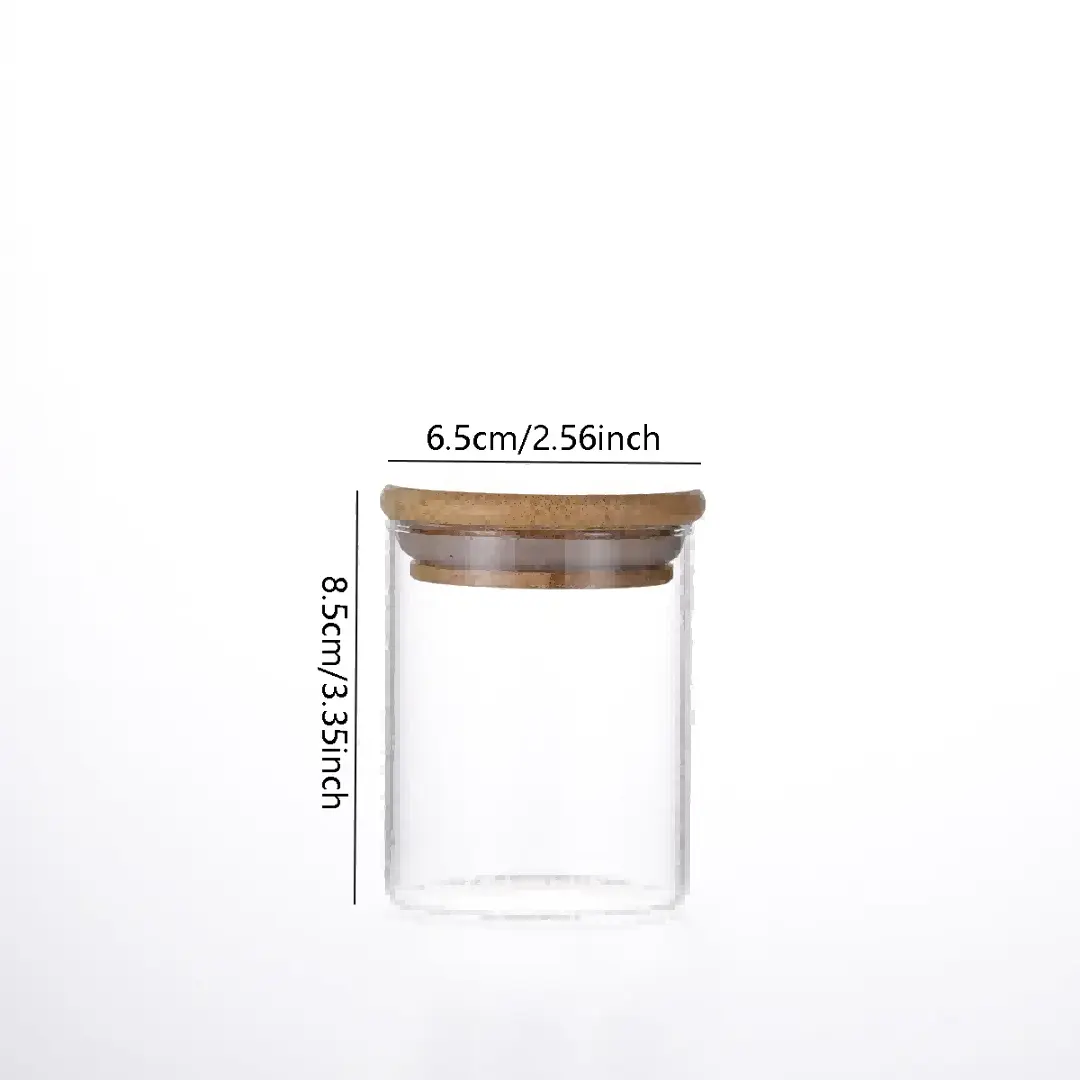
Modern closing systems with bamboo, wooden, cork, stainless steel, and plastic lid choices let you store things in a way that suits your needs. With their good looks and ability to close well, bamboo and wooden lids are perfect for front-of-house uses where presentation is important. Cork-topped bins are great for storing dry goods because they naturally control moisture, which keeps the quality of the goods during long storage times.
Stainless steel lids are very durable and don't react with chemicals, so they are good for places where things are washed and sanitized a lot. Precision-machined surfaces on the edges of Heat-resistant Glass containers and metal lids make reliable seals that keep food fresh and prevent contamination. Plastic lid options are cost-effective for situations where the lids will be replaced often enough to justify a smaller original investment.
Application-Specific Design Features
Measurement marks that are etched straight into glass surfaces are lasting and can stand up to being washed many times. These graduated containers can be used as both storage bins and measuring tools, which cuts down on the amount of equipment that needs to be kept in business kitchens that are limited on room. Pour spouts and flexible handles make them easier to use when preparing a lot of food at once.
Stackable designs make vertical storage more efficient while still making it easy to get to each bin. When not in use, nesting reduces the amount of store room needed, which is an important factor for seasonal food service businesses. Wide-mouth holes make it easier to clean thoroughly and fit big tools when preparing food or controlling portions.

Practical Guidelines for Using Heat-Resistant Glass Containers in the Kitchen
Temperature Management and Thermal Shock Prevention
Gradual changes in temperature protect the structure of the container and greatly increase its useful life. By letting objects hit middle temperatures before exposing them to extreme temperatures, stress builds up that could cause them to break. This is especially important when moving items from the freezer to the oven, where the temperature difference is often more than 150°C.
Pre-heating empty containers in warming rooms lowers the risk of thermal shock when hot contents are added, and pre-cooling processes get containers ready for use in cold storage. In commercial settings, these easy practices can make containers last several years longer, which saves a lot of money over time. These steps should be emphasized in staff training programs to make sure they are followed consistently across all shifts.
Quality Assurance and Performance Verification
Simple eye checking methods can find possible flaws in a container before it breaks. Stress patterns that show up as thin lines or clouds are a sign of heat damage that makes the object less safe. To keep inventory reliable, these eye checks should be part of regular review plans along with standard cleaning procedures.
Temperature testing procedures that use controlled heating and cooling processes make sure that the containers work as they should in real life. These tests can confirm the quality of new goods from a supplier or check the state of containers that have been used for a long time. Recording test results helps with guarantee claims and gives information for making decisions about buying.
Cleaning and Maintenance Best Practices
Using the right cleaning products will keep the brightness of Heat-resistant Glass while getting rid of food leftovers and keeping it from getting contaminated. Instead of acidic cleaners, which could damage containers over time, use alkaline ones instead. They are better at getting rid of grease and protein layers without scratching glass. Mechanical cleaning systems, like industrial dishwashers, give reliable results when set up correctly for glass containers.
Using storage methods that stop impact harm and temperature stress greatly increases the useful life of containers. Separate storage areas with padded shelves lower the risk of breaking things, and environmental controls keep temperatures fixed, which stops damage from thermal cycles. Inventory rotation systems help find items that need to be replaced before they break and make sure that they are used evenly.
How to Source and Purchase Heat-Resistant Glass Containers for Your Business?
Quality Certifications and Compliance Standards
International safety approvals, such as FDA approval, European CE marks, and Japanese JIS standards, make sure that the quality of the product meets all safety standards. For these certificates, containers must pass a lot of tests and provide a lot of paperwork that proves they work in certain situations. Professionals in procurement should make sure that certifications are valid and know how to test for each standard.
Material composition approvals make sure that the borosilicate glass has the right properties and doesn't contain any dangerous chemicals like lead or cadmium. These papers are necessary for food service businesses that are inspected by the health department or go through company safety checks. The test papers that the supplier gives you should have information on the chemical resistance, specific gravity, and thermal expansion factors.
Bulk Purchasing Strategies and Cost Optimization
A lot of the time, volume discount arrangements start at 100 units and get a lot better as the order level goes up. When procurement managers know the different price levels for suppliers, they can figure out the best order amounts to balance the costs of keeping inventory with price drops per unit. Seasonal buying plans can help you save more money and make sure you have enough stock during times of high demand.
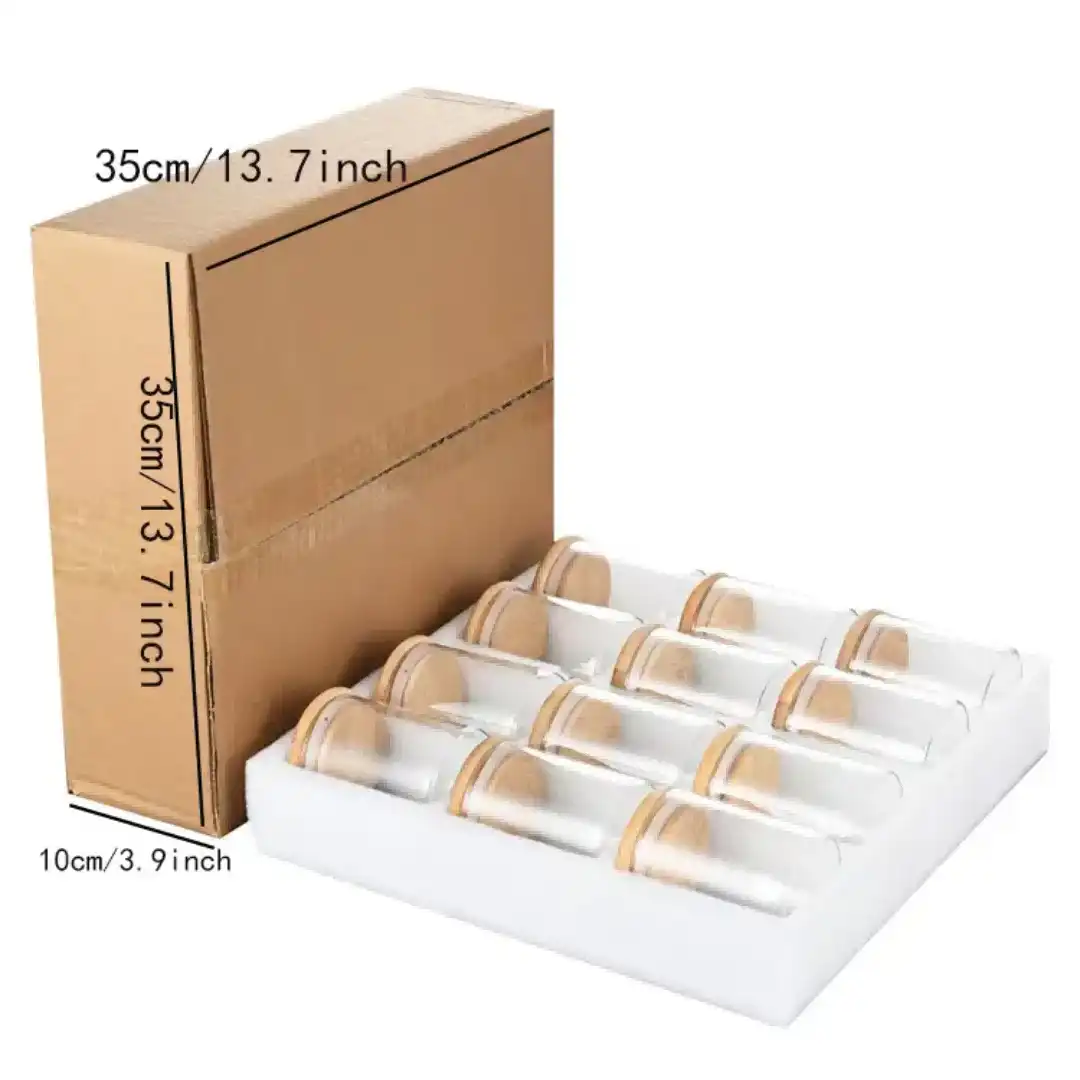
Because of their weight and frailty, shipping and handling costs become big issues for sales of glass containers. Shipments that are grouped together save money on shipping costs per unit, and special packaging keeps goods safe while they're in transit. When you work with providers who know how to ship goods internationally, you can avoid delays caused by customs and damage claims that could throw off your schedule.
Supplier Evaluation and Selection Criteria
When evaluating a company's manufacturing capabilities, it's important to look at its production capacity, quality control systems, and access to expert help. The quality of borosilicate glass is usually more reliable from suppliers who have dedicated production lines for it than from those who treat it as a secondary product line. When possible, inspections of the building itself can teach you a lot about how things are made and how quality is managed.
Procurement managers can choose goods that exactly meet their needs by customizing them with features like adding logos, changing sizes, and choosing different packaging choices. With OEM and ODM services, food service businesses can have their own labels and make products that meet specific needs. For business buyers, the minimum order amounts for custom goods are usually affordable.
Your Trusted Partner in Heat-Resistant Glass Solutions
Hejian Chilin Glass Products Co., Ltd. stands as a premier manufacturer specializing in high-quality borosilicate glass containers designed for demanding commercial applications. Our decade-plus experience in the borosilicate glass industry belt of Hejian City, Hebei Province, China, has established us as a reliable partner for restaurant chains, food companies, and kitchenware distributors worldwide.
Our comprehensive product portfolio encompasses borosilicate glass sealed jars with bamboo, wooden, cork, stainless steel, and plastic lid options, alongside decorative vases and candlesticks. Each product utilizes premium 3.3 borosilicate glass featuring superior thermal shock resistance and chemical stability properties. The combination of manual craftsmanship and precision machine tooling ensures crystal-clear clarity and consistent dimensional accuracy across all product lines.
Quality assurance protocols incorporate rigorous testing procedures that verify thermal performance, chemical resistance, and structural integrity. Our manufacturing processes adhere to environmental responsibility standards, utilizing lead-free glass formulations and sustainable production practices that minimize waste generation. These eco-friendly approaches align with corporate sustainability goals while maintaining uncompromising product quality.
Export services streamline international procurement processes through comprehensive documentation support, specialized packaging systems, and coordinated shipping arrangements. Our established logistics networks successfully deliver products to dozens of countries, with full export clearance assistance that simplifies customs procedures and reduces delivery timelines. Minimum order quantities starting at 100 units accommodate both growing businesses and established operations seeking reliable supply partnerships.
Customization capabilities extend beyond standard product offerings to include logo application, dimensional modifications, color variations, and specialized packaging requirements. Our OEM and ODM services enable clients to develop unique product specifications that enhance brand recognition and operational efficiency. Technical support teams provide ongoing assistance with product selection, application guidance, and troubleshooting support throughout the customer relationship.
Conclusion
Glass containers that can handle heat are an important part of modern industrial kitchens because they offer the best thermal performance, safety, and longevity. When used correctly and from a reliable source, borosilicate glass's better properties provide long-term value that covers the costs of the original investment. Knowing the different kinds of containers, how they should be used, and how often they need to be maintained helps procurement pros make choices that improve operational efficiency while still meeting food safety standards. Strategic relationships with suppliers guarantee reliable product supply and technical support that keeps kitchens running at high levels in a variety of food service settings.
FAQ
What temperature ranges can heat-resistant glass containers safely handle?
Good borosilicate glass cases can usually handle temperatures between -20°C and 130°C when they are being used normally, and they can also handle temperature changes of more than 270°C. The breaking point of 820°C gives a lot of safety gaps above and beyond what you would find in a kitchen. These requirements make it safe to move containers from storing them in the freezer to cooking them in the oven without the risk of breaking.
How do heat-resistant and tempered glass containers differ in performance?
Heat-resistant borosilicate glass is very good at resisting thermal shock and keeping its sharpness when temperatures rise or fall. Tempered glass, on the other hand, is better at resisting impacts but not as good at resisting heat. Because it has a low thermal expansion rate, borosilicate glass doesn't crack when the temperature changes, which makes it better for use in cooking and storage. Tempered glass is better for uses that need to be resistant to pressure than to changes in temperature.
What custom sizing options are available for commercial buyers?
Commercial clients can select exact sizes, capacities, and lid configurations to get the most out of cooking area and improve operations. Custom choices include adding a brand, changing the colors, markings for measurements, and special packing needs. For unique goods, the minimum order amounts are usually set at levels that are fair for businesses. Larger orders can get discounts for volume.
Partner with Us for Your Heat-Resistant Glass Container Needs
Chilin Glass offers a wide range of heat-resistant glass options that can be customized to meet the needs of your business kitchen. Our many years of experience as a reliable borosilicate glass maker means that you can count on the quality of our products and the speed with which we respond to your customer service requests. Email our team at sales@chilinglass.com to get full catalogs of our products, samples to check the quality, and personalized prices for buying in bulk.
References
1. Johnson, M. K. (2023). "Thermal Properties and Applications of Borosilicate Glass in Commercial Food Service." Journal of Foodservice Equipment Technology, 15(3), 45-62.
2. Chen, L. (2022). "Comparative Analysis of Heat-Resistant Container Materials for Professional Kitchen Applications." International Food Safety Review, 28(7), 123-138.
3. Williams, R. S. (2023). "Procurement Strategies for Commercial Kitchen Glass Equipment: A Cost-Benefit Analysis." Hospitality Equipment Management Quarterly, 41(2), 78-95.
4. Anderson, P. J. (2022). "Thermal Shock Resistance in Borosilicate Glass: Manufacturing Standards and Performance Testing." Materials Science in Food Equipment, 19(4), 201-216.
5. Thompson, K. L. (2023). "Food Safety Compliance and Glass Container Selection in Restaurant Operations." Commercial Kitchen Safety Journal, 12(1), 33-47.
6. Rodriguez, M. A. (2022). "Sustainable Material Choices in Professional Food Storage Systems." Environmental Foodservice Technology, 8(6), 155-171.
YOU MAY LIKE