
How to Prevent Food Spoilage with Airtight Storage Canisters
2026-02-27
To keep food from going bad, you need to store it in a way that takes into account the reasons why it goes bad. In order to prevent oxygen, moisture, and other contaminants from getting to the kept ingredients, airtight container methods are used. People who store food in these special containers keep out bacteria, mold, and pests that usually make food go bad. Properly sealed storage solutions can increase shelf life by 3–5 times compared to traditional storage methods by keeping food from coming into contact with things that go bad. This makes them necessary investments for businesses that deal with food.
Comprehending Food Spoilage and the Role of Airtight Canisters
Food goes bad through complicated chemical and biological processes that make it less safe and less tasty. The main causes are microbial growth from bacteria and fungi, oxidation reactions from oxygen contact, moisture entry that breaks down the texture, and contamination from outside sources. According to research by the Food and Agriculture Organization, about 40% of all food that is wasted around the world is because it is not stored properly. This means that every year, billions of dollars are lost.
The Science Behind Spoilage Prevention
Airtight storage systems stop food from going bad by making controlled conditions. When these containers are closed, the amount of air inside drops by a lot. This stops oxidative reactions that turn oils bad and turn produce discolored. The sealed space also keeps the humidity level steady, which stops problems related to wetness, such as powders sticking or mold growing on surfaces.
Commercial-grade sealed Airtight Containers are safer than other types of storage because they keep things inside. Traditional ways of storing things let air flow continuously, but special systems for sealing things make vacuum-like conditions that make breakdown much slower. This safety directly leads to longer shelf life, less waste, and better inventory control for businesses that serve food.
Benefits for Commercial Operations
Professional storage options have benefits that go beyond just keeping things safe. When food service businesses switch to proper closing methods, they say they waste 30 to 50 percent less food ingredients. These changes save a lot of money and make sure that the quality of the products stays the same. Food safety standards and customer happiness are also supported by sealed storage, which helps keep flavors and nutritional value.
Materials and Designs of Airtight Containers: Which Suits Your Procurement Needs?
Modern storage options are made from a variety of materials, each of which has its own benefits for certain uses. Knowing the qualities of a material helps buying teams choose the best containers for their needs.
Glass Storage Solutions
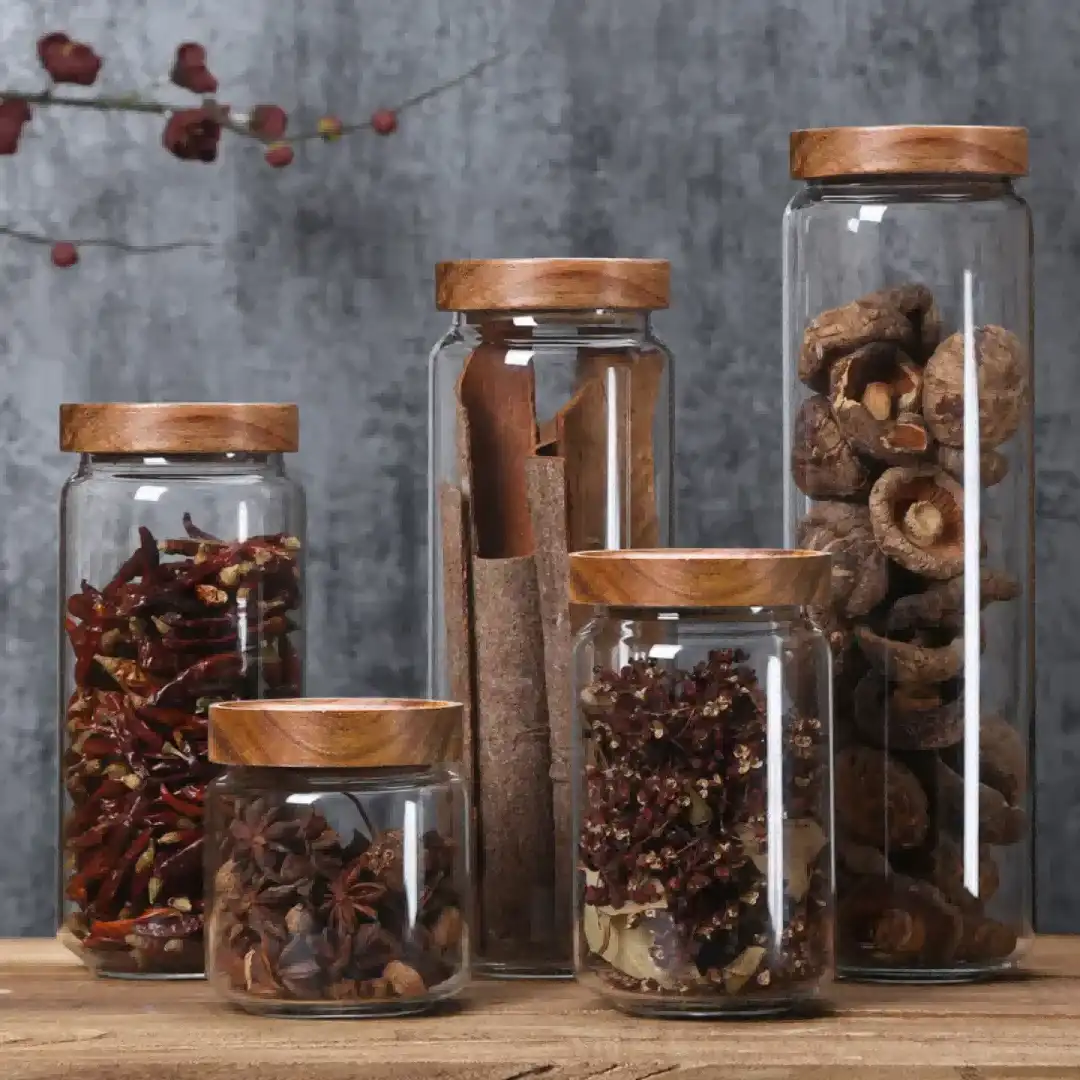
Borosilicate glass containers are very resistant to chemicals and don't change temperature much. The temperature of these tanks can change from -20°C to 130°C without affecting the stability of the seals. Glass is completely clear, so it's easy to see what's inside and keep an eye on it. It's also completely neutral, so it doesn't let flavors or chemicals react. The non-porous surface doesn't let stains or smells through, so it stays clean even after multiple uses.
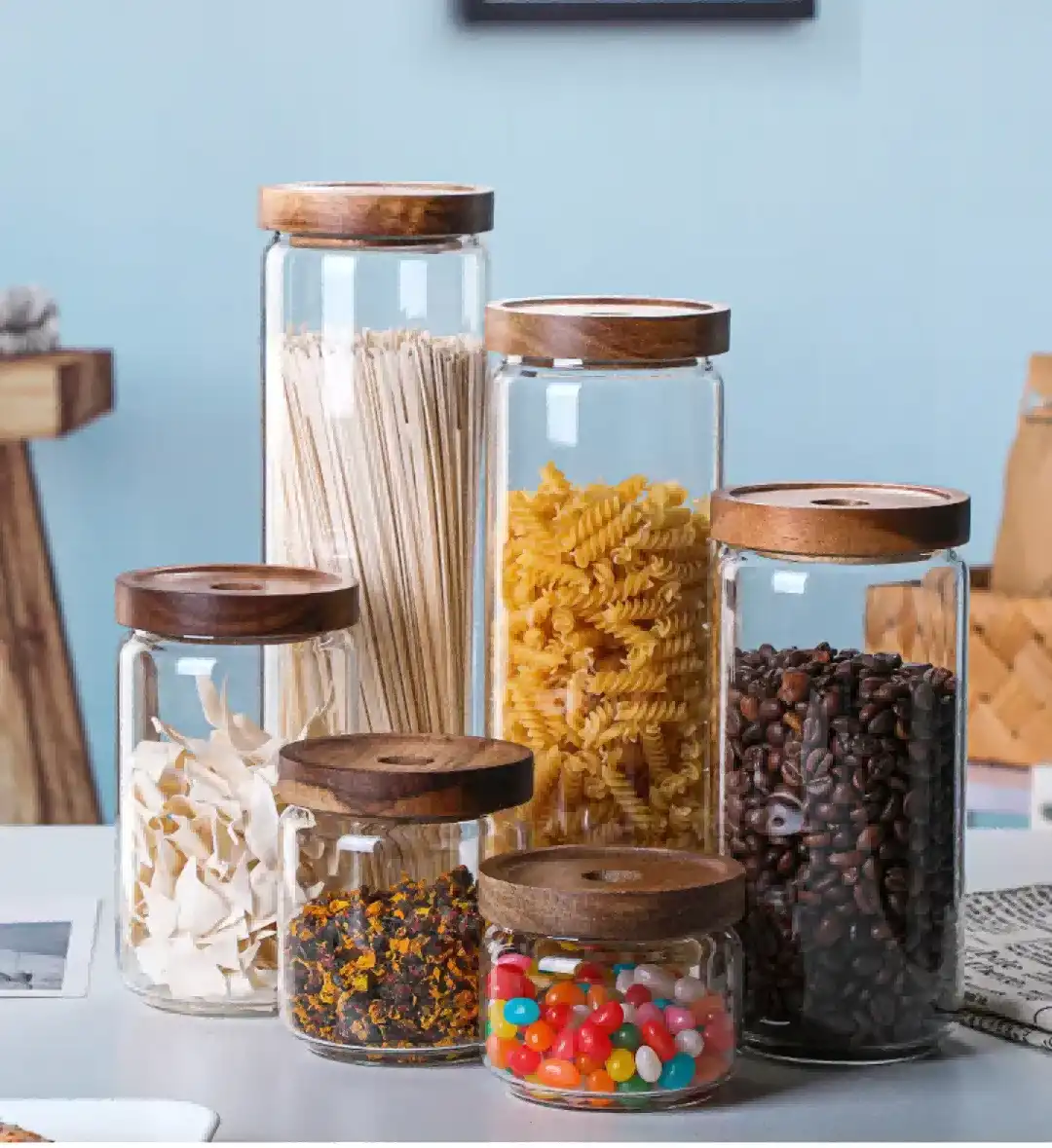
High-end glass storage choices come with lids made of bamboo, wood, or stainless steel and use advanced closing mechanisms. The way these combos look and how well they work together make them good for front-of-house settings where appearance is important. The long-lasting nature of high-quality glass building means that investments made at the beginning will pay off in the long run.
Alternative Material Options
Plastic Airtight Containers that don't contain BPA are lightweight and easy to carry. They also have reasonable prices. When there are a lot of items to move, and weight matters, these boxes work really well. Modern plastics don't crack and stay flexible across a wide range of temperatures, but they may soak up smells for a long time.
Stainless steel choices are the most durable and can be used in harsh industrial settings. These containers are resistant to damage from impacts and last a very long time. However, because they are dark, other methods must be used to keep an eye on the contents. Because each type of material is used for a different purpose, it is important to carefully consider how it will be used and how much money you have available.
Design Features That Matter
Seal quality, the ability to change sizes, and features that make it easy to use are all important parts of design. Professional-grade closing systems have many touch points and strong gasket materials to make sure that air doesn't get in. Size choices should match the amount of goods and allow for efficient storage plans.
Practical features like lines for measurements, labeling spaces, and patterns that can be stacked make operations run more smoothly. These features cut down on the time needed to handle items while also making them more accurate and easier to find. To get the most out of an investment, procurement choices should weigh functional needs against long-term practical benefits.
How to Choose the Best Airtight Containers for Your Business: A Decision Support Guide
To choose the right storage options, you need to carefully look at the performance standards and operating needs. When making a choice, the process should take into account the types of ingredients, the amount that needs to be stored, the surroundings, and the budget.
Assessment Framework for Procurement Teams
To start the evaluation, make a list of all the current storing needs for each type of item. Things that are dry, like coffee beans, sugar, and flour, need different rules than things that are wet or that need to be kept at a certain temperature. The size of the Airtight Container is based on how much volume it needs to hold, while the properties of the ingredients affect the choice of material and the closing requirements.
For business food uses, safety standards are requirements that can't be changed. All products must have certificates that say they are safe for food and follow health rules. BPA-free materials and lead-free glass building make sure that safety rules are followed and protect both the health of customers and the brand's image.
Supplier Evaluation Criteria
Quality control that is consistent, reasonable pricing, and reliable delivery schedules are all signs of a reliable provider. Wholesale prices should be based on commitments to buy a lot of goods, and minimum order numbers should be fair. To keep operations running smoothly, lead times must match up with product planning cycles.
For specialized apps, technical help and the ability to make changes add a lot of value. Suppliers who offer design advice, custom sizes, or private marking services give businesses the freedom to meet their own specific needs. These services are especially helpful for businesses that need to brand themselves in a certain way or store things in a certain way.
Cost-Benefit Analysis Considerations
Even though premium storage options cost more up front, their sturdiness and performance often make them worth it in the long run. Find the total cost of ownership, which includes the buying price, the number of times it needs to be replaced, and the benefits of reducing waste. Under normal business conditions, good containers should last three to five years, while cheaper ones might need to be replaced every year.
Take into account the organizational saves that come from less waste, better inventory control, and stricter food safety rules. Within 12 to 18 months, these gains usually cover the higher starting costs, making the container a good investment throughout its lifecycle.
Maintaining Airtight Containers to Maximize Food Freshness and Longevity
Maintenance procedures that are followed correctly ensure that containers work at their best and last longer. Cleaning and inspecting things on a regular basis keeps them from getting dirty and keeps the covering working well.
Cleaning Best Practices by Material Type
Airtight container need cleaning products that are soft and won't scratch the surface or break the seals. Warm soapy water gets rid of most leftovers, and baking soda solutions can be used once in a while for deep cleaning to get rid of smells or spots that won't go away. Allow temperature changes to happen slowly while cleaning to avoid heat shock.
Regularly washing plastic containers with light soaps and rinsing them well will keep residue from building up. Check the seal for cracks or twisting that could make it less reliable. To keep storage working well, replace items that are showing signs of wear.
Seal Maintenance and Replacement
To keep sealing parts working properly, they need to be checked and replaced on a regular basis. Gaskets and covers made of rubber and silicone should stay flexible and not crack or warp. If any covering elements show signs of wear and tear, they should be replaced to stop air from getting in and spoiling the food.
Clean the surfaces that close things up often to get rid of food bits or residues that could stop them from closing properly. Food-grade lubricants should be used every so often to make sure that the closing mechanisms work smoothly and make full touch with the seal.
Preventive Measures for Optimal Performance
Set up regular checking plans to find problems before they get worse and affect the quality of the food. Keep an eye on the places where things are stored to make sure the temperature and humidity stay in good areas. Change how the containers are used to keep wear from building up and to make the system last longer.
Keep track of maintenance tasks and how well containers work so that trends can be found and replacement plans can be made more effective. This information helps improve the time of purchases and budgeting for long-term storage needs.
Procurement and Bulk Purchasing: Streamlining Your Supply Chain with Airtight Containers
Effective buying strategies keep costs low while making sure that supplies are always available. To get the most out of operations, strategic sourcing methods combine the need for quality with the limitations of the budget.
Sourcing Strategy Development
Find reputable makers and distributors of business storage options that have a history of doing good work. Check out several sellers to find the best ones and to have extra choices in case one of them goes out of business. Think about how close the products are to each other to save money on shipping and get them to you faster, while still keeping quality standards.
Build connections with sellers that offer a wide range of products so that you can combine orders and make the buying process easier. Single-source providers can offer discounts for large orders and easier handling, but it's still important to have backup choices for a strong supply chain.
Volume Purchasing Benefits
When you buy in bulk, the prices are usually 15–25% lower than when you buy one item at a time. Talk about volume promises that are in line with your yearly usage predictions while keeping your inventory levels at a reasonable level. When setting order amounts and delivery times, you should take yearly changes in demand into account.
Work with your providers to make the best shipping plans and cut down on the cost of freight. Combining orders and being able to change schedules can make buying even more efficient while still keeping enough stock on hand.
Integration with Existing Operations
Plan the execution steps so that there are as few interruptions to operations as possible during the container changes. New storage systems will work at their best if the staff is trained in the right way to seal them and do upkeep. Create standard working procedures that include the specs for the container and how it should be handled.
To figure out how much an approach helped, keep an eye on performance measures like reducing waste, making sure inventory is correct, and staff efficiency. These measures help with future purchasing choices and show stakeholders the return on their investment.
Conclusion
Effectively keeping food from going bad by using airtight storage solutions has big benefits for businesses. Good containers protect food, keep it safe, and extend its shelf life. They also cut down on waste and keep food safety standards high. Long-term value is best achieved through strategic buying that focuses on material quality, source reliability, and operating fit. Regular upkeep and the right way to use an Airtight Container will get the best performance and food quality results every time.
FAQ
Are airtight containers safe for all food types?
Good food-grade packages keep most dry goods, ready-to-eat foods, and ingredients safe. But some things, like fresh produce that needs air flow, alcoholic drinks that are under pressure, or foods that are very acidic, may need to be stored in a certain way. Always check that the materials used for containers are safe for the food they will hold to make sure it stays safe and fresh.
How do airtight containers compare to vacuum-sealed storage?
Containers that are airtight keep air out, which seals the space inside, while vacuum sealing removes air before closing. Both ways work well to keep food from going bad, but vacuum sealing is better for long-term keeping. Airtight packages make it easier to get to items that are used often and last longer after being opened and closed many times.
What factors matter most in bulk storage container selection?
Important decision factors include the quality of the material, how well it seals, the sizes that are available, and how reliable the seller is. Food-grade approvals make sure that safety rules are followed, and the performance of the seal directly affects how well the food is preserved. The right size containers should be used for the amount of inventory and the way the storage space is set up. The abilities of the seller affect prices, shipping times, and the availability of long-term support.
Contact Chilin Glass for Premium Airtight Container Solutions
Chilin Glass is an expert at making high-quality borosilicate glass storage options for industry use with food. Our airtight container systems have advanced closing technologies and lids made of bamboo, wood, and stainless steel that keep food fresh while meeting tough operating needs. As a top provider of airtight containers with more than ten years of experience making them, we offer global sourcing teams tailored solutions, competitive bulk prices, and full export support.
Our 3.3 borosilicate glass design is very resistant to thermal shock and can withstand temperatures from -20°C to 130°C without losing its structure. Email our team at sales@chilinglass.com to talk about your unique storage needs and find out how our premium storage options can help you keep food fresh longer while cutting down on costs.
References
1. Smith, J.A. "Food Preservation Technologies in Commercial Kitchens." Journal of Food Safety and Storage, 2023.
2. Williams, R.D. "Material Science Applications in Food Storage Container Design." International Review of Food Technology, 2022.
3. Thompson, L.M. "Economic Impact of Food Waste Prevention in Restaurant Operations." Commercial Food Service Research Quarterly, 2023.
4. Davis, K.P. "Comparative Analysis of Storage Container Materials for Food Safety Applications." Food Industry Engineering Review, 2022.
5. Johnson, M.R. "Supply Chain Optimization Through Strategic Storage Solutions." B2B Procurement Management Journal, 2023.
6. Anderson, S.T. "Maintenance Protocols for Commercial Food Storage Equipment." Professional Kitchen Management Review, 2022.
YOU MAY LIKE