
Guide to Choosing Heat-Resistant Glass Containers
2026-02-25
To choose the right Heat-resistant Glass containers for business use, you need to know about the containers' heat performance, the materials they are made of, and the needs of the specific application. These specific cases, which are made with advanced borosilicate or tempered glass technologies, give a wide range of industries the thermal shock protection and longevity they need. The right heat-resistant glass option balances temperature tolerance, mechanical strength, and safety compliance to ensure optimal performance in challenging operational settings. This is true whether you're looking for it for a restaurant kitchen, a lab, or a factory.
Understanding Heat-Resistant Glass Containers
Heat-resistant glass containers are a complex engineering feat because they are made to survive huge changes in temperature and thermal stress that would break regular glass goods. Specialized production methods and material mixes are used to make these containers, which change the structure of the glass at the molecular level.
The Science Behind Thermal Resistance
The unique chemicals that make up heat-resistant glass and the way it is made are what make it work. Borosilicate glass, which is the most common type of heat-resistant glass, has boron oxide added to the normal silica structure. This makes the material very resistant to thermal growth. This 3.3 borosilicate mix has a temperature expansion value of about 3.3 ñ 10^-6 K^-1, which is a lot less than regular soda-lime glass.
When things go through quick changes in temperature, thermal shock protection is very important. Professional-grade cases made of heat-resistant glass can usually handle temperature differences of more than 270°C without breaking. Controlled annealing steps are used in the manufacturing process to ease internal stresses and make molecular structures that can evenly distribute heat throughout the walls of the container.
Material Composition and Performance Characteristics
Modern cases made of heat-resistant glass use a number of different material technologies, each of which improves performance in different ways. Borosilicate glass is better at resisting chemicals and keeps its shape at temperatures up to 820°C, which is its breaking point. Alternatives to tempered glass are better at absorbing impacts because they are cooled in a controlled way, which creates compression forces in the top layers.
Heat-resistant glass has a very different crystalline structure than normal glass. Its molecular bonds are much stronger and there are fewer stress spots inside the glass. These containers keep their shape over a wide range of temperatures, which makes them perfect for uses that need accurate measures or steady performance when temperatures change.
Core Criteria for Selecting Heat-Resistant Glass Containers
When buying heat-resistant glass containers for business use, procurement workers have to look at a number of performance factors. These standards include things like how well it works in heat, how long it lasts, how well it works with chemicals, and how well it follows the rules.
Temperature Performance and Thermal Shock Resistance
The main thing that is used to choose heat-resistant glass containers is their maximum working temperature. Containers used in professional settings usually need to be able to withstand constant temps between -20°C and 300°C, and for some uses, they may need to be able to handle temperatures higher than 400°C.
Thermal shock resistance testing checks how well a container can handle sudden changes in temperature without breaking. Standard testing methods look at containers that are exposed to temperature differences of 120°C or more, which are like the stresses that come up in real life. Good heat-resistant glass containers keep working the same way after thousands of temperature cycles without breaking down.
Mechanical Durability and Safety Standards
Long-term success of containers in business settings is based on how well they resist impact and scratches. Heat-resistant glass containers are put through a lot of tough mechanical tests to make sure they can handle normal handling stresses, cleaning procedures, and operating impacts without losing their structural integrity.
When chemicals are used in food service or the lab, safety concerns become very important. Glass containers that can handle high temperatures must have non-reactive sides that keep chemicals from leaking or getting contaminated when the temperature rises. Borosilicate materials naturally have high chemical inertness, which means they can be used to store acidic or basic substances without worrying about them breaking down.
Compliance and Certification Requirements
Compliance with regulations changes a lot between businesses and markets in different places. For food service uses, surfaces that come into touch with food must meet FDA standards. In the lab, on the other hand, chemical resistance standards may need to be met. Knowing these needs helps procurement teams choose the right container specs that meet legal and practical needs.
Quality approvals from well-known testing labs back up claims about how well containers work. These certifications usually cover things like how well a product works in different temperatures, how well it resists chemicals, and how long it lasts mechanically under standard testing conditions. This gives buying teams concrete criteria for evaluating suppliers and choosing products.
Matching Heat-Resistant Glass Containers to Specific Industry Applications
Different businesses have different needs when it comes to heat-resistant glass containers, so they need custom solutions that meet their specific operational needs and performance standards.
Food Service and Commercial Kitchen Applications
Commercial kitchens need containers that can handle high temperatures and go from being refrigerated to being stored at room temperature and back again without any problems. These containers have to be able to handle being put through washing cycles, oven heating, and microwave processes over and over again without losing their effectiveness.
Containers with good sealing qualities are highly valued by restaurant groups because they keep food fresh for longer periods of time. Because borosilicate glass is thermally stable, it can go from being stored in a freezer to being heated in an oven without changing temperatures first. This makes it easier to use in food service settings with a lot of customers.
For cleaning and cleanliness reasons, industrial kitchens need containers that don't scratch or lose their surface when they're cleaned harshly. Surfaces made of heat-resistant glass stay smooth and don't have pores, which keeps bacteria from building up and makes cleaning easier.
Laboratory and Industrial Manufacturing
For lab use, containers that can handle high temperatures, have exact dimensions, and are very resistant to chemicals are needed. In research settings, containers are often exposed to chemicals that break down metals, high or low pH levels, and repeated temperature changes that would kill most container materials.
When making things in factories, containers may need to be set up in special ways to fit the way they are used. Glass containers that can handle heat can be made with specific features like graduated marks, custom neck configurations, or set volume limits so that they work well with automatic production systems.
Because heat-resistant glass is clear, it can be used for quality control processes that need to keep an eye on things. Lab techs and production workers can see what's being processed during heat cycles, which lets them make changes to the process and check the quality in real time.
Supplier and Product Selection: How to Source Heat-Resistant Glass Containers?
To successfully buy heat-resistant glass containers, you need to carefully consider the supplier's skills, the quality of the products, and the ongoing support services that make sure the supply chain works well.
Evaluating Supplier Credentials and Manufacturing Capabilities
The first step in evaluating a supplier is to check their manufacturing licenses and quality control systems. ISO 9001 certification shows that quality management processes have been formed, while industry-specific certifications show that the company has specific knowledge in the technologies used to make heat-resistant glass.
Evaluation of production capacity makes sure that providers can meet ongoing number needs without lowering quality standards. Well-known companies usually have separate lines for making heat-resistant glass items. These lines use special tools and controlled conditions to make sure that the quality of the products stays the same even when they are made in large quantities.
Technical knowledge is an important skill for suppliers to have, especially for uses that need custom container specs. During the specification process, experienced providers offer technical support that helps procurement teams find the best container designs for specific business needs while keeping costs low.
Pricing Structures and Volume Purchasing Considerations
The price of heat-resistant glass containers usually represents the unique materials and production methods that are needed to make them work well with heat. For procurement teams in charge of large-scale operations, the benefits of buying in bulk become important, as sellers offer different price levels based on annual volume promises.
Minimum order numbers (MOQ) are very different between suppliers. Specialized manufacturers usually need bigger MOQs to cover the costs of setting up production. Knowing the MOQ standards helps procurement teams plan how much goods to keep on hand and how to best time their purchases to keep the total cost of ownership as low as possible.
Customization services are useful for apps that need specific container settings. When suppliers offer design changes, custom sizes, and unique finishing choices, procurement teams have more freedom to find the best container performance for their individual needs.
Hejian Chilin Glass Products: Your Trusted Heat-Resistant Glass Partner
Hejian Chilin Glass Products Co., Ltd. is the world's leading manufacturer of borosilicate glass and has been in business for more than ten years. We are a reputable company that makes high-quality heat-resistant glass containers. Our factory is in Hejian City, Hebei Province, China, which is known for its borosilicate glass industry belt.
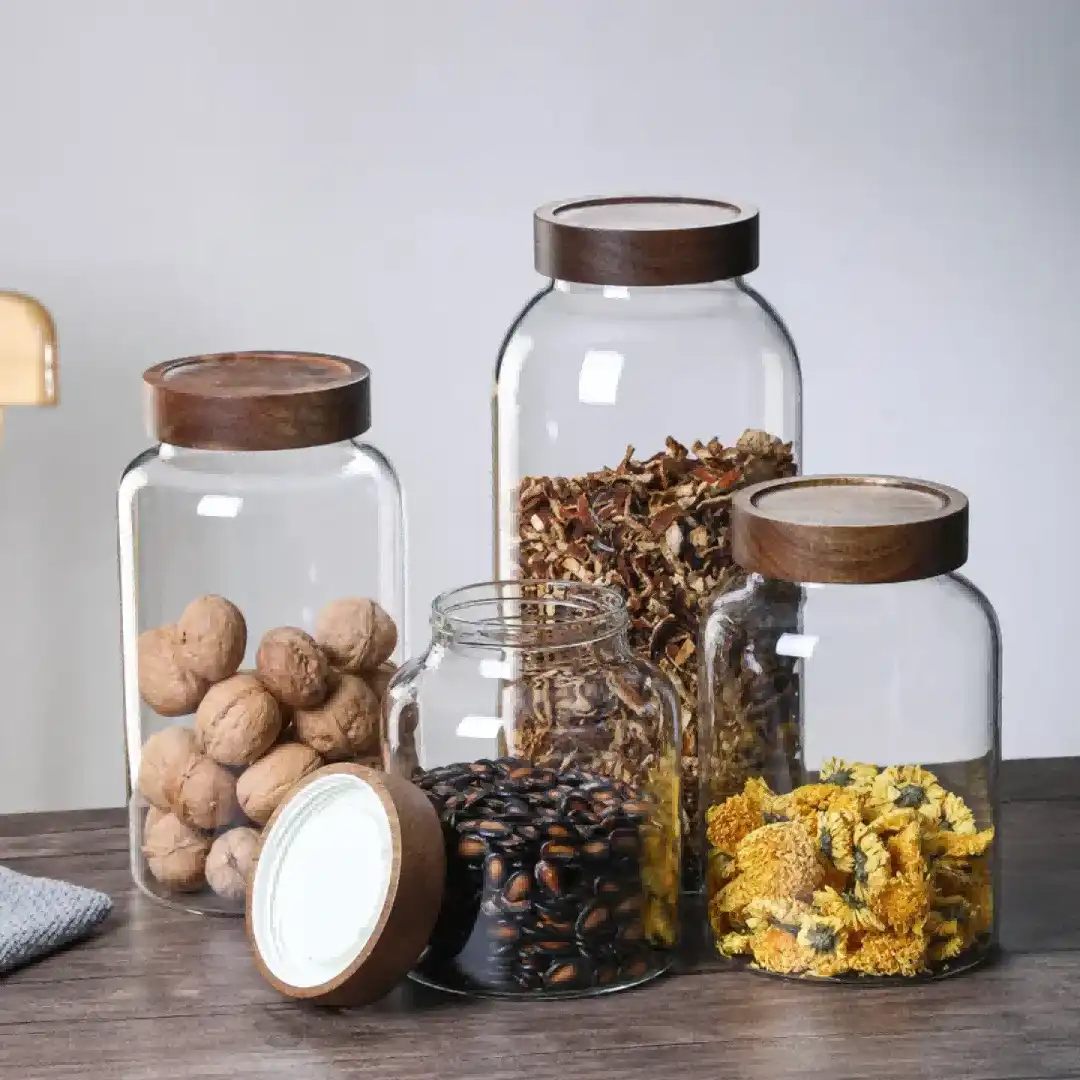
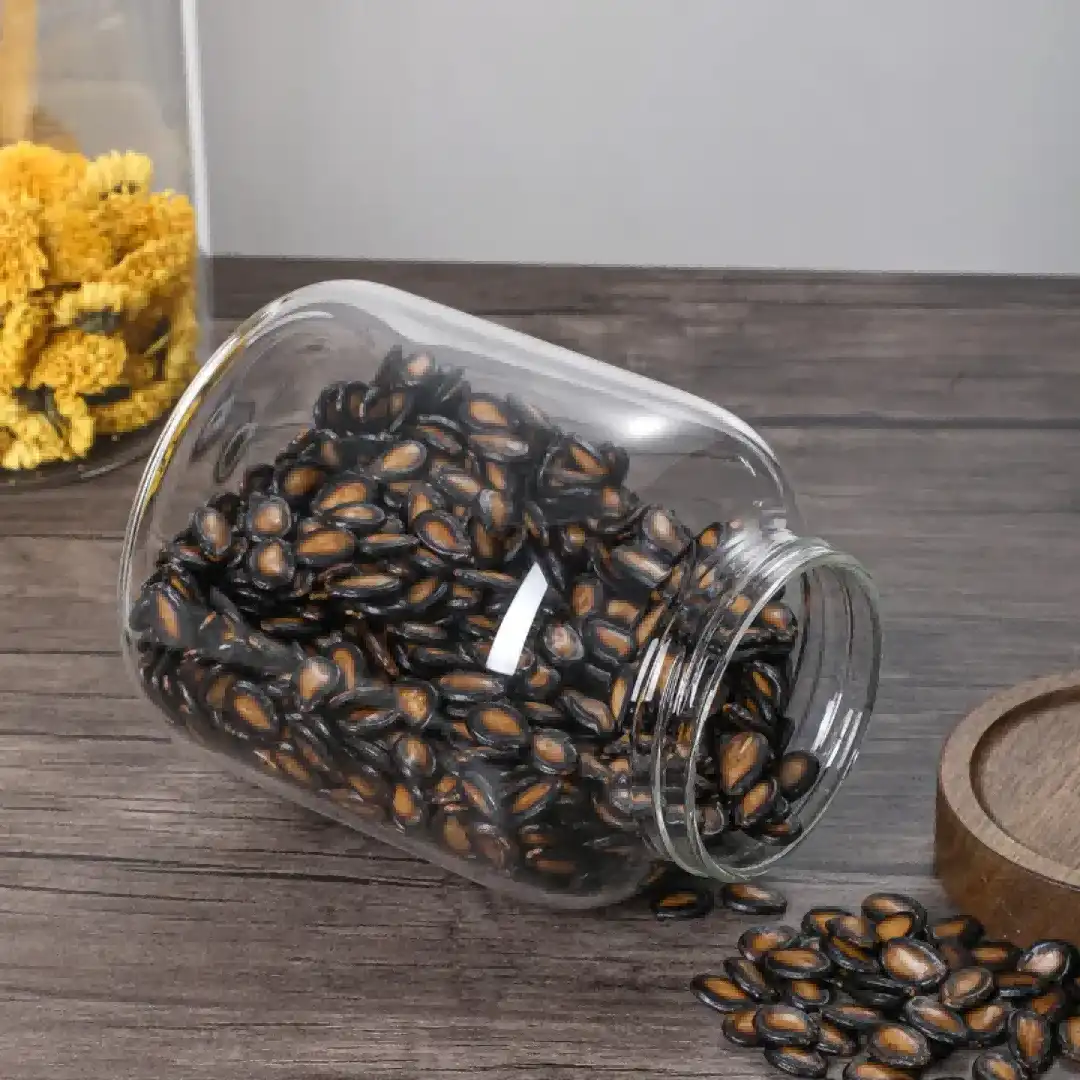
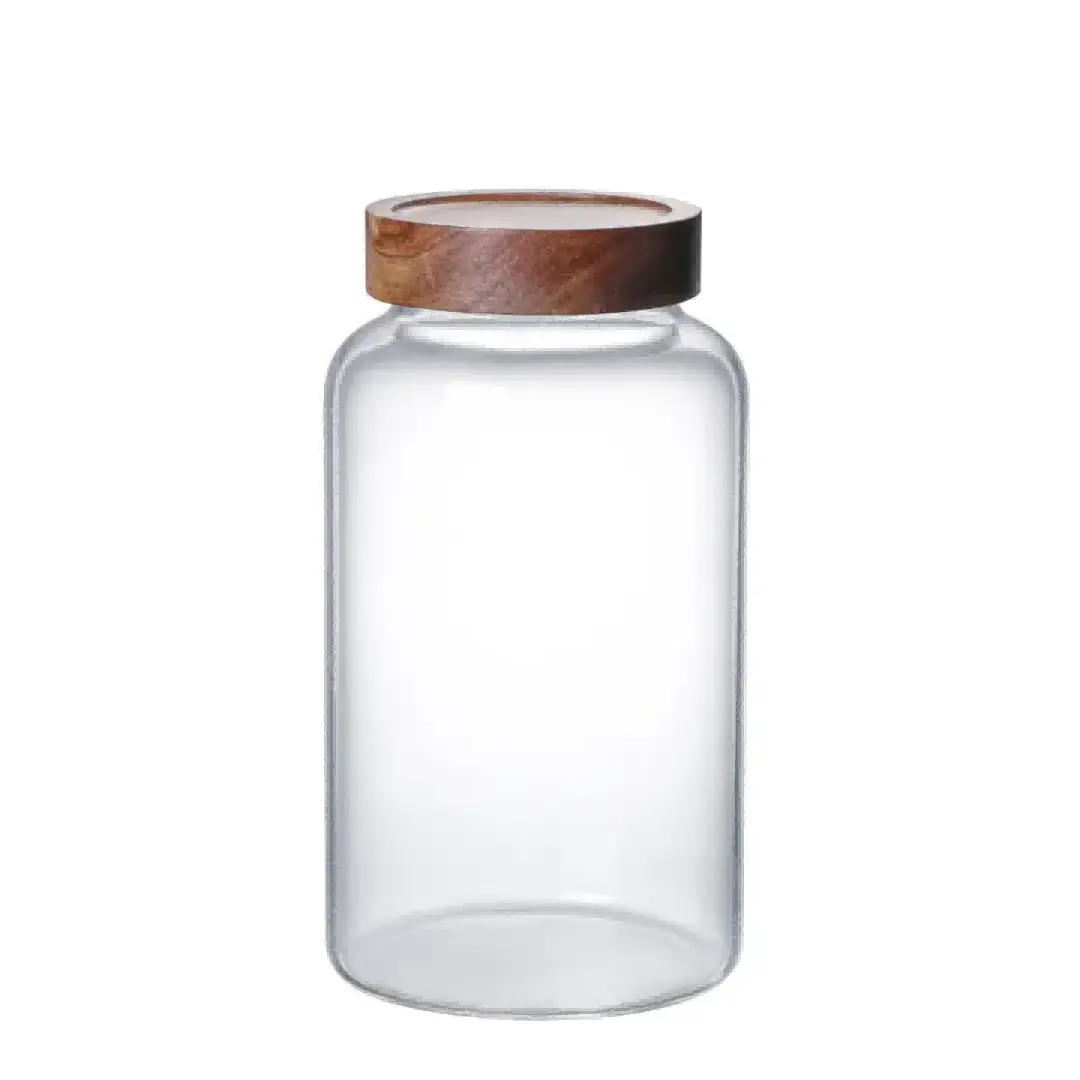
Our wide range of products includes borosilicate glass sealed jars with bamboo or wooden lids, glass stored jars with cork lids, glass sealed jars with stainless steel lids, and glass sealed jars with plastic caps. Each item is made with 3.3 borosilicate glass, which is designed to have a low thermal expansion rate that makes it very resistant to temperatures from -20°C to 130°C.
Chilin Glass's high-quality making blends old-fashioned skill with cutting-edge production methods. Our goods go through strict quality control steps that make sure they are crystal clear, look good, and are made in a way that doesn't harm the environment. Our containers are great for many business uses because they let a lot of light through and are very chemically stable.
Export services make it easier to buy things from other countries. They handle all the paperwork, organize the packing, and have built logistics networks that serve dozens of countries around the world. Because we care about the environment, we use lead-free glass formulas and environmentally friendly production methods that support the circular economy while keeping the high standard of our products.
Conclusion
When choosing the right heat-resistant glass containers, you have to weigh the thermal performance needs, the mechanical durability standards, and the limitations of the application. By understanding the main differences between borosilicate and tempered glass technologies, procurement professionals can make choices that improve business performance while keeping costs low. A good container choice takes into account not only the performance needs right now, but also the security of the supply chain over the long term, the ability of suppliers to help, and the need to follow regulations in a variety of operating settings.
FAQ
How can I be sure that glass items can go in the microwave?
How well a bottle works in a microwave relies on the type of glass used and any metal parts that are part of the design. Pure borosilicate glass containers that don't have any metal parts are usually safe to use in the microwave. However, containers with metal lids or artistic parts need to be carefully checked. Before using microwaves on a big scale, you should always check the manufacturer's specifications and try small amounts.
What makes borosilicate glass different from toughened heat-resistant glass?
Borosilicate glass can withstand heat because its chemical makeup has been changed to lower thermal expansion. Tempered glass, on the other hand, is made by mechanically processing the surface to create compression pressures. Borosilicate is often better at withstanding temperature shock and chemicals, which makes it better for use in laboratories and food service. Tempered glass is better at resisting impacts, but it might not work well in situations where temperatures change quickly.
Can heat-resistant glass containers be customized for specific industrial applications?
Most makers let you change a lot of things about the containers, like their sizes, capacities, lid configurations, and special features like measurement marks or custom neck designs. Custom solutions usually have minimum order amounts and longer wait times, but they work best with certain operating needs and automatic production systems.
Partner with Chilin Glass for Superior Heat-Resistant Glass Solutions
When purchasing teams need reliable glass cases that can handle heat, they should work with well-known companies that know how to balance performance, quality, and cost-effectiveness. Chilin Glass blends decades of experience with borosilicate glass with a wide range of customization options to provide certified products that meet strict industry standards for a wide range of uses.
Our technical team offers personalized consultation services to help you choose the best container specs for your individual needs. We make it easier to buy things by offering flexible minimum order amounts starting at 100 units and full export support. This way, we can keep product quality consistent and shipping times reliable. To learn more about our full range of heat-resistant glass maker services, email our experts at sales@chilinglass.com. See what a difference specific knowledge and a drive to quality make in improving the performance and dependability of your supply chain.
References
1. American Society for Testing and Materials. "Standard Test Methods for Thermal Shock Resistance of Glass Containers." ASTM International Standards Publication, 2023.
2. Glass Manufacturing Industry Council. "Borosilicate Glass Properties and Applications in Commercial Environments." Industrial Glass Technology Review, Vol. 45, 2023.
3. International Organization for Standardization. "Glass Containers - Thermal Resistance Testing Protocols and Safety Standards." ISO Technical Committee Publication, 2022.
4. National Institute of Standards and Technology. "Thermal Expansion Coefficients of Commercial Glass Materials." Materials Science Reference Publication, 2023.
5. Society of Glass Technology. "Advanced Manufacturing Techniques for Heat-Resistant Glass Products." Glass Technology International Conference Proceedings, 2023.
6. World Health Organization. "Safety Guidelines for Glass Containers in Food Service Applications." WHO Technical Report Series, No. 1023, 2022.
YOU MAY LIKE