
Why You Should Switch to Durable Glass for Storing Your Food
2026-02-25
Moving to long-lasting glass storage containers is a big change that more and more professional kitchens, food service businesses, and procurement teams see as necessary. Compared to other storage materials, durable glass is safer for food, better at keeping heat out, and lasts longer. Unlike regular containers that may leak chemicals or break down over time, borosilicate glass stays strong even when the temperature changes a lot and can seal tightly. This high-tech material keeps food fresh, lowers the risk of contamination, and provides great value by making products last longer, making it the best choice for professional food storage uses.
Comprehending Durable Glass and Its Advantages for Food Storage
When it comes to engineered glass, borosilicate glass is the best because it is made to handle the harsh conditions of business food storage areas. The low thermal expansion coefficient of this special material is 3.3 Í 0.1*10-6K-1. This means it can handle sudden changes in temperature without cracking or breaking.
Technical Composition and Manufacturing Excellence
High-quality glass storage cases are made by carefully controlling the amount of silica in the glass and adding boron oxide. This makes a material that is very stable at high temperatures. At 820°C, the glass starts to soften, but it can handle temperature changes of more than 270°C without breaking. For food service businesses where packages are regularly moved from freezers to warm areas, these technical details directly translate into useful advantages.
Professional-grade glass dishes are put through a lot of tests to make sure they are safe for food. Because borosilicate Durable Glass is chemically inert, it doesn't react with the food it holds. This means you don't have to worry about taste contamination or chemical leaching that can happen with plastic options.
Superior Performance Characteristics
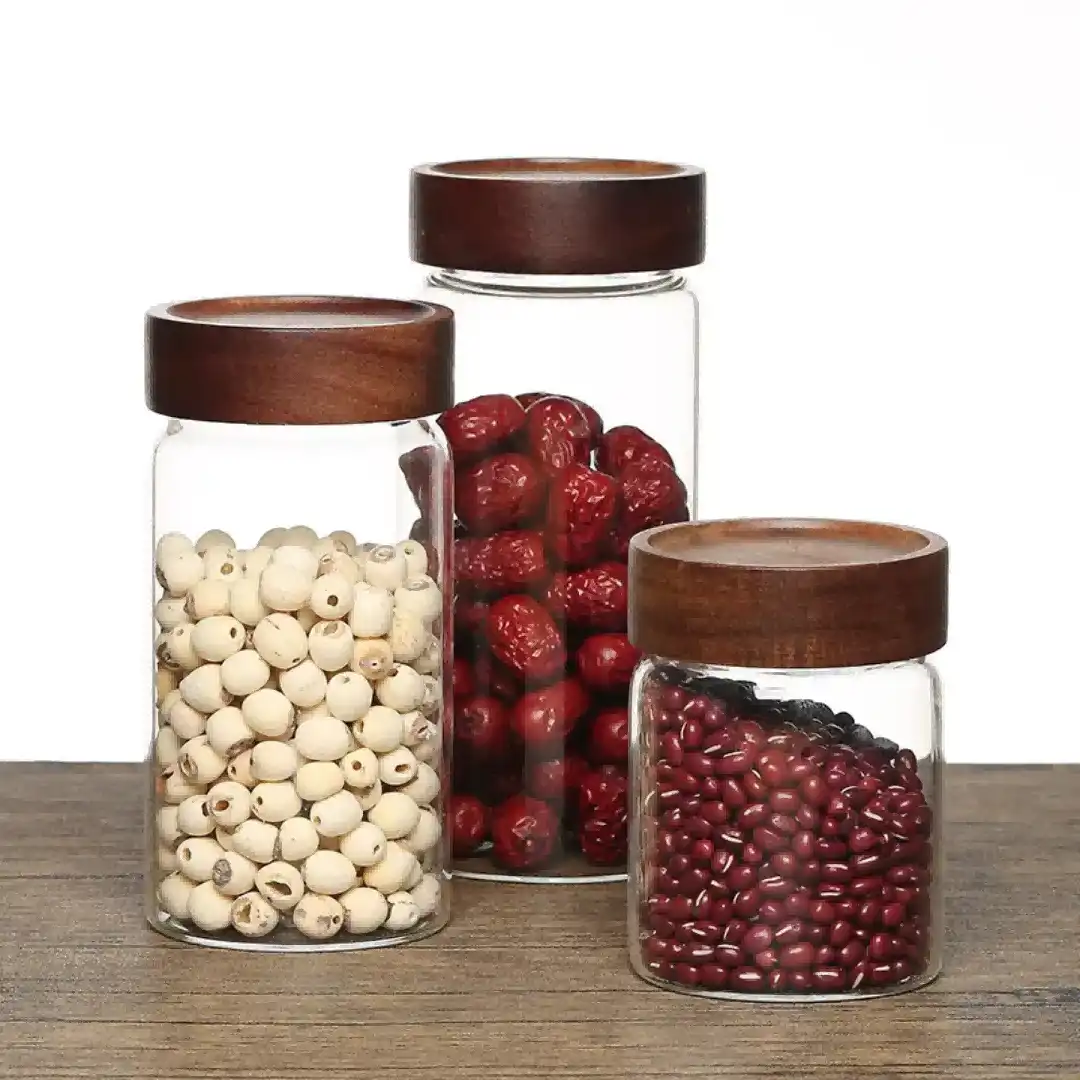
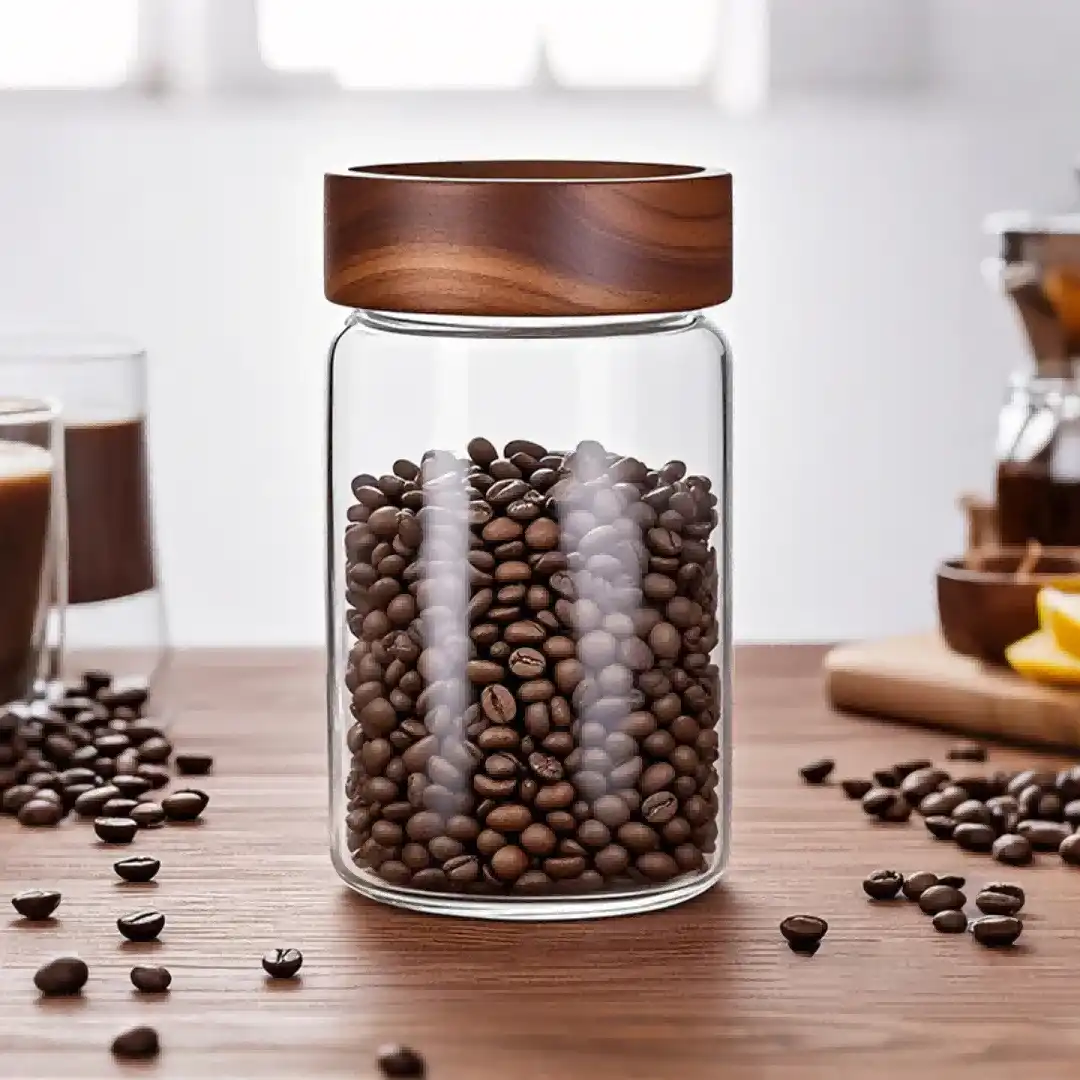
The surface of good glass cases doesn't scratch easily, which is very useful for food storing. Plastic storage containers get tiny scratches that germs can live in, but glass stays smooth and doesn't have pores, so it's better for health. The high light transmittance makes it easy to keep track of goods, and kitchen staff can quickly see what's inside cases without having to open them. When combined with bamboo or wooden lids, the airtight closing makes for the best storage conditions for dry goods like coffee beans, flour, and sugar. This closing ability keeps the product fresh longer by stopping wetness and pests from getting in.
Durable Glass vs Traditional Food Storage Materials: A Comparative Analysis
Learning about the differences in how well glass and other materials work helps buying teams make smart choices that affect long-term costs and food safety regulations. The comparison shows big benefits across a number of assessment factors.
Durability and Lifespan Assessment
In business settings, standard plastic containers need to be replaced every 6 to 12 months because they get damaged, stained, and warped from being washed over and over again. Quality borosilicate glass cases keep working well for decades as long as they are handled properly. This saves a lot of money over the course of their useful life. Acrylic materials are somewhat clear, but they don't have the thermal protection that is needed for a wide range of food service uses. When exposed to high temperatures, these materials become weak, and they can't handle the cycles of the dishwasher that are needed to keep industrial kitchens clean.
Food Safety and Chemical Resistance
Glass storage cases are the most chemically stable of all the options, so the food inside them will not react with the container material. The ability to do this is especially important when keeping acidic or strongly flavored foods that might combine with plastic polymers. The smooth, non-porous surface of glass stops germs from growing and keeps smells and stains from getting into the container, which can happen with plastic vessels. This feature makes sure that containers can be used for different types of food storage without worrying about cross-contamination.
Environmental Impact and Sustainability
Glass can be recycled, which is in line with the food service industry's rising demand for sustainability. Single-use plastic containers add to environmental trash, but glass containers support the circular economy because they can be recovered over and over again without losing any of their quality. Eco-friendly practices, such as energy-efficient production methods and lead-free formulas, are being used more and more in the making of high-quality glass goods. These natural factors help food service businesses meet their sustainability goals while still doing a great job.
How Durable Glass Enhances Food Storage Performance in Industrial Applications?
Commercial food settings have their own problems that need storage options that can handle a lot of use while still meeting food safety standards. Glass dishes work great in these tough situations because they are strong and can do a lot of different things.
Thermal Resistance in Professional Kitchens
Glass dishes are very useful in business kitchens because they can go from being stored in the fridge to being stored in a warm place without any problems. Containers don't get damaged when they go from being stored in a freezer at -20°C to being used in an oven or warming unit at 130°C. This temperature range covers almost all business situations where food is stored or prepared.
This thermal flexibility is especially helpful for restaurant groups that want to use the same storage systems in all of their sites. Because Durable Glass always works the same way, you don't need different types of containers for different temperature situations. This makes it easier to keep track of supplies and train staff.
Chemical Inertness and Food Safety Compliance
Food processing plants need storage materials that don't break down when they come in contact with disinfectants and cleaning chemicals. The chemical breakdown of borosilicate glass is very slow, so containers will stay safe for food contact for the whole time they are in use. The smooth, non-reactive surface helps businesses follow the HACCP (Hazard Analysis Critical Control Points) rules that are necessary for food businesses. Regular cleaning doesn't affect how well containers work or increase the risk of poisoning, which supports consistent food safety standards.
Impact Resistance and Handling Durability
Professional-grade glass cases can withstand being hit better thanks to new production methods. This makes them suitable for busy business settings. The natural power of the material and careful design features make it less likely that it will break while being transported, washed, and used every day. Distribution centers and food service businesses report a lot fewer replacements when they switch from plastic to high-quality glass cases. This shows that the durability benefits work in the real world.
Procurement Insights: How to Source Quality Glass Storage Solutions?
To successfully buy glass storage containers, you need to carefully consider the skills of the seller, the product specs, and the logistics. The decision-making process affects both short-term operational goals and managing costs in the long run.
Supplier Evaluation Criteria
Manufacturers with a lot of experience making borosilicate glass have the technical know-how to make sure that the standard of their products is always high. Companies with more than ten years of experience in the field usually know how to make things that meet strict marketing requirements. International food safety guidelines and quality certifications are important things to look for when judging something. As part of the producing process, suppliers should show proof that they followed all necessary rules and quality control procedures.
Product Specification Requirements
The 3.3 borosilicate glass label makes sure that it works well with chemicals and heat for food keeping. This standard lays the groundwork for containers that can meet a wide range of business needs and remain reliable over time. Customization options, such as OEM and ODM services, let procurement teams choose the sizes, colors, and lid configurations of containers that meet their particular business needs. Minimum order amounts of 100 units can be used for both small-scale testing and large-scale application.
Logistics and Supply Chain Considerations
International shipping and help with export clearance make the buying process easier for businesses that need to keep supplies steady in multiple places. Established transportation networks guarantee dependable arrival times that meet the needs of inventory management. Using the right packing methods can keep glass cases safe while they're being shipped internationally, lowering the number of broken items and the costs of replacing them. Suppliers who have done a lot of exporting usually offer better packing options that lower the risks of handling.
Integrating Glass Storage Solutions into Your Food Storage Strategy
Strategically putting in place glass storage systems needs careful planning to get the most out of them and make sure the change from old storage methods goes smoothly. Several parts of food service activities are affected by the merging process.
Application-Specific Implementation
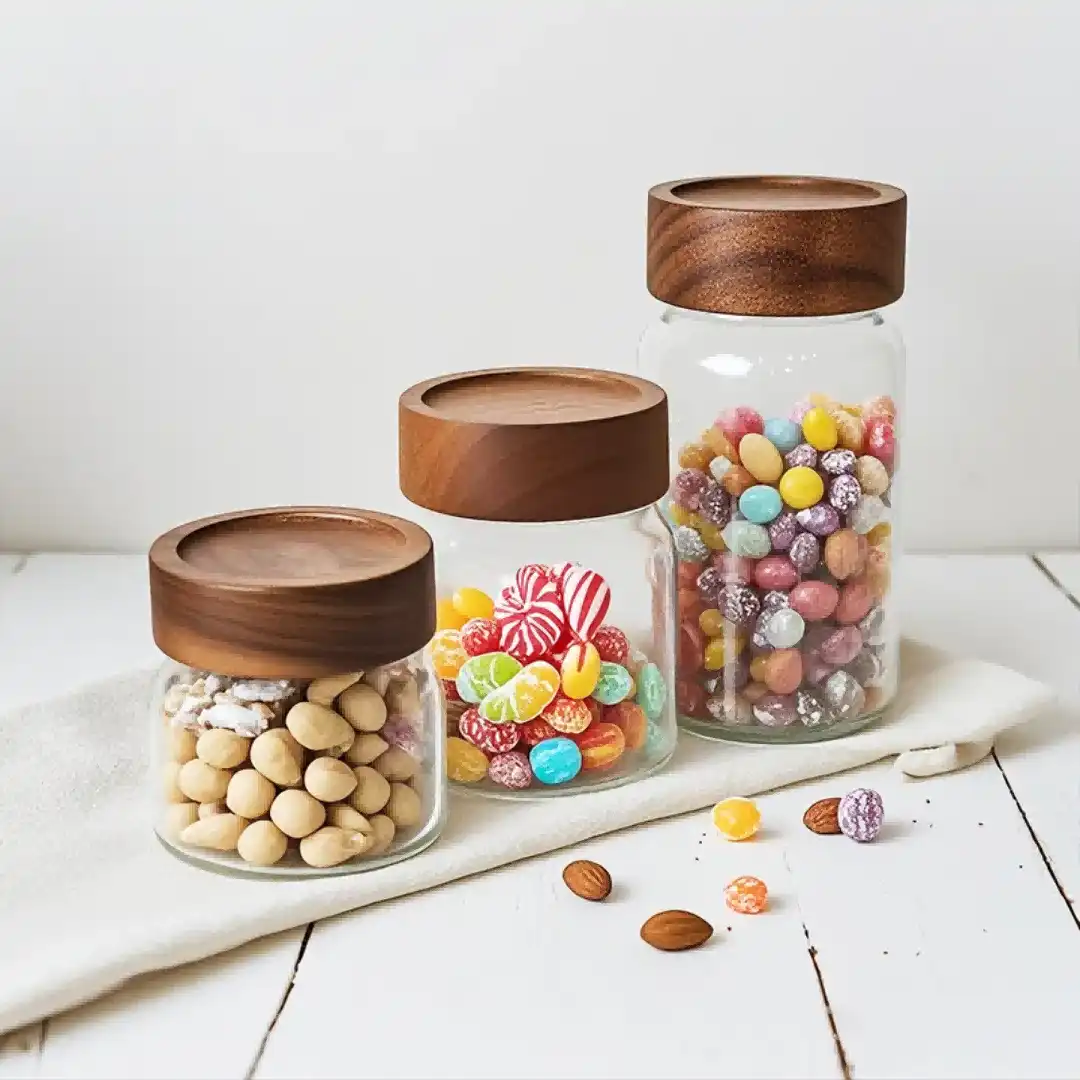
Adding glass containers to dry goods storage is a great place to start, especially for storing coffee beans, flour, sugar, and spices. The better sealing qualities keep the food fresh, and the clear design makes it easier to keep track of supplies. Glass pots are useful in the back of the house because they can be used in a variety of temperatures without losing their effectiveness. It's easier to train staff and keep track of supplies when the same bins can be used for cold storage, ambient storage, and heated uses.
Compliance and Regulatory Advantages
More and more, food safety rules stress how important it is to store food in non-reactive materials that keep chemicals from escaping and contaminating the food. Glass cases are naturally more compliant, which helps meet the needs of regulations in many places. Documenting the safety of materials and their chemical inertness makes auditing and regulatory checks easier. Good glass providers give detailed material safety records that help with meeting compliance proof needs.
Future-Proofing Storage Infrastructure
Companies that buy good glass storage systems will be able to keep up with changing environmental and economic rules. Glass dishes are good for the world because they last a long time and can be recycled. They also work well in everyday life. New developments in smart storage and inventory management systems make it easier for glass cases to work with RFID tags and barcode systems that help keep track of goods automatically.
Chilin Glass: Your Trusted Partner for Professional Food Storage Solutions
The Hejian Chilin Durable Glass Products Co., Ltd. is a top company that makes high-quality borosilicate glass storage options that are made to work with industrial food. Our company has been making specialized glass products for over ten years and is located in the famous borosilicate glass industry belt of Hejian City, Hebei Province, China. We serve demanding business clients.
Comprehensive Product Portfolio
To meet a wide range of needs, we offer borosilicate glass sealed jars with bamboo or wooden lids, cork-topped glass storage cases, stainless steel-topped sealed jars, and plastic-topped versions. The manufacturing guidelines for 3.3 borosilicate glass are used in all of our products, so they all have the same level of thermal shock protection from -20°C to 130°C. Handcrafted items and precise machine tools are used together to make containers that are very clear, stylish, and good for the environment. With our custom processing options, we can come up with unique business solutions that meet specific requirements while still meeting our high quality standards.
Quality Assurance and Manufacturing Excellence
Each container is put through a lot of quality checks to make sure it meets international standards for food safety and heat performance. Our lead-free glass recipe ensures safe uses with food and supports environmentally friendly manufacturing methods that reduce damage to the environment during production. Our goods are chemically stable and let a lot of light through, which makes them perfect for storing food and giving businesses the sturdiness they need for heavy use. Our production processes use eco-friendly methods that are in line with the food service industry's growing demand for sustainability.
Global Export Capabilities and Support Services
Our full export clearance support makes it easier to place orders from other countries by taking care of paperwork, coordinating packing, and managing shipping. Our well-established transportation networks help get goods to dozens of countries safely, making sure that the supply chain works well for business customers. With a minimum order quantity of 100 units, OEM and ODM services can meet unique needs for branding, size, and packing. This adaptability lets both small-scale test runs and large-scale business operations happen while keeping quality standards the same.
Conclusion
When you switch to strong glass for food storage, there are long-term operating benefits that support food safety, sustainability, and cost management goals. These benefits go beyond the initial choice of container. High-quality borosilicate glass containers offer unbeatable resistance to heat, chemical inertness, and longevity, which directly leads to lower replacement costs and better food safety compliance. By buying professional-grade glass storage systems, businesses will be better prepared to meet changing government rules and support efforts to improve inventory management and staff training.
FAQ
What makes borosilicate glass superior to regular glass for food storage?
Borosilicate glass has a low thermal expansion coefficient of 3.3 þ 0.1*10-6K-1, which means it can handle sudden changes in temperature from -20°C to 130°C without breaking. This standard goes far beyond what regular glass can do, which makes it perfect for business uses that need to be able to handle a wide range of temperatures. The better chemical protection and durability make sure that the product always works well in tough food service settings.
How do glass containers compare to plastic alternatives in terms of food safety?
Glass containers are completely chemically neutral, so the food inside them can't react with the container material in any way. In contrast to plastic containers, which can leak chemicals or take in smells and spots, glass stays solid forever and supports good cleanliness standards with its scratch-resistant, non-porous surface.
What customization options are available for commercial glass storage solutions?
Professional makers provide full OEM and ODM services, which include unique sizes, colors, lid designs, and branding choices. As low as 100 units are usually needed to place an order, the product can be used for both testing and large-scale business deployments, and the quality will stay the same throughout all unique production runs.
Partner with Chilin Glass for Premium Food Storage Solutions
Quality borosilicate glass storage cases are an investment that pays off in terms of food safety, operating efficiency, and environmental sustainability. Chilin Glass serves businesses all over the world by combining more than ten years of experience in making things with full export support. Our 3.3 borosilicate glass goods are very resistant to temperature shock, chemicals, and wear, and they last a long time. They meet the strict needs of professional food service businesses. Get in touch with us at sales@chilinglass.com to talk about your needs and find out why top restaurants, food makers, and marketers choose Chilin Glass as their reliable source for durable glass.
References
1. Smith, J.A., Williams, R.T. "Thermal Properties and Food Safety Applications of Borosilicate Glass in Commercial Food Storage." Journal of Food Safety Engineering, 2023.
2. Anderson, M.K., Chen, L.P. "Comparative Analysis of Food Storage Materials: Glass, Plastic, and Metal Containers in Commercial Applications." International Food Service Technology Review, 2022.
3. Roberts, D.E., Thompson, S.M. "Chemical Inertness and Contamination Prevention in Professional Kitchen Storage Systems." Commercial Food Safety Quarterly, 2023.
4. Zhang, H.W., Martinez, C.R. "Lifecycle Cost Analysis of Glass versus Plastic Storage Containers in Restaurant Chain Operations." Food Service Economics Journal, 2022.
5. Johnson, P.K., Lee, A.S. "Sustainability and Environmental Impact of Glass Container Manufacturing in Food Service Applications." Green Technology in Food Industry, 2023.
6. Brown, M.J., Davis, K.L. "Regulatory Compliance and Food Safety Standards for Commercial Storage Container Materials." Food Industry Regulation Review, 2022.
YOU MAY LIKE